Headlight Restoration Guide: Restore Foggy, Yellow Headlights to Crystal Clear
# Headlight Restoration Guide: Restore Foggy, Yellow Headlights to Crystal Clear
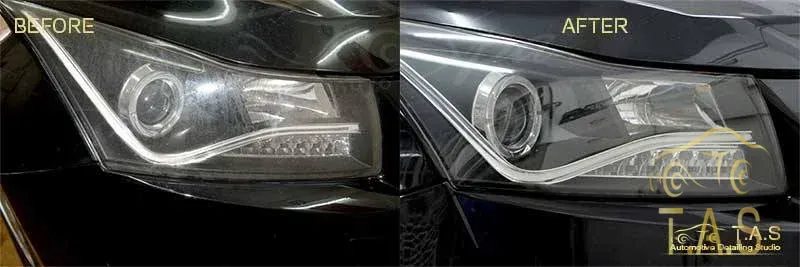
Foggy, yellow headlights are more than an aesthetic issue – they're a serious safety hazard. Oxidized headlights can reduce light output by up to 80%, severely compromising your visibility during night driving. This comprehensive guide explains why headlights deteriorate and how to restore them to factory-new condition.
Why Do Headlights Become Foggy and Yellow?
Modern headlights are made from polycarbonate plastic rather than glass. While polycarbonate is lighter and more impact-resistant, it's vulnerable to:
1. UV Radiation Damage
Sunlight is the primary cause of headlight degradation: - UV rays break down the protective clear coat - The polycarbonate lens oxidizes and yellows - Micro-pitting develops on the surface - Cloudiness progressively worsens
Timeline: Noticeable yellowing typically begins after 3-5 years of sun exposure.
2. Chemical Exposure
Road chemicals accelerate deterioration: - Salt spray from coastal air (especially in Kerala) - Road salt and de-icing chemicals - Exhaust fumes and pollutants - Cleaning chemicals with harsh solvents
3. Physical Damage
Surface damage from: - Stone chips and road debris - Sand and dust abrasion - Improper cleaning with abrasive materials - Rubbing against objects while parked
4. Heat Damage
High-powered halogen and HID bulbs generate heat that: - Yellows the lens from inside - Causes thermal stress cracking - Accelerates chemical breakdown
The Danger of Foggy Headlights
Reduced Light Output
| Condition | Light Output |
|---|---|
| New/restored | 100% |
| Light haze | 70-80% |
| Moderate yellowing | 50-70% |
| Heavy oxidation | 20-40% |
Safety Statistics
- Poor headlight condition is cited in 9% of nighttime accidents
- Drivers with foggy headlights have 50% less reaction time at night
- Oncoming drivers may experience increased glare from diffused light
Legal Considerations
While there's no specific law about headlight clarity in India, vehicles with significantly impaired headlights may fail inspection for: - Insufficient illumination distance - Improper light beam pattern - Visibility obstruction
DIY Headlight Restoration Methods
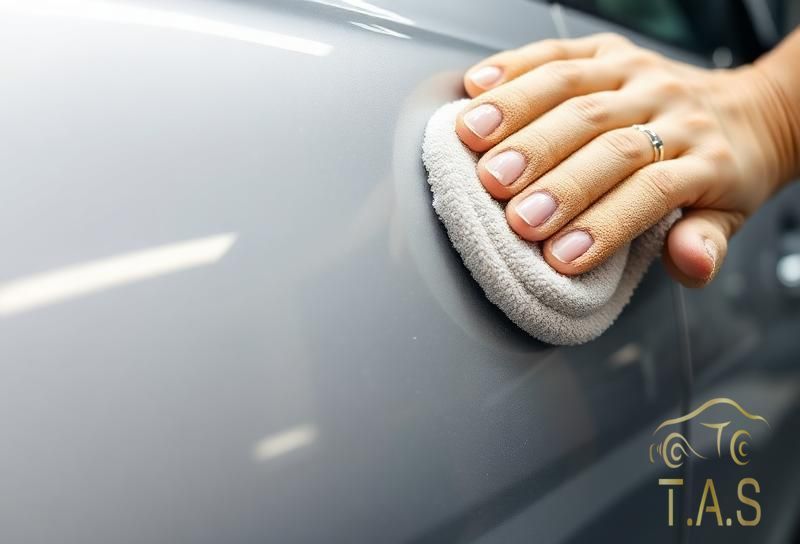
Method 1: Toothpaste (Temporary Fix)
Effectiveness: 20-30% improvement Duration: 2-4 weeks
Process: 1. Clean headlight with soap and water 2. Apply whitening toothpaste 3. Rub in circular motion with cloth 4. Rinse and dry
Verdict: Only effective for very light haze. Does not address deep oxidation.
Method 2: Baking Soda Paste
Effectiveness: 25-35% improvement Duration: 2-6 weeks
Process: 1. Mix baking soda with water to form paste 2. Apply to headlight 3. Scrub with soft brush 4. Rinse thoroughly
Verdict: Slightly more effective than toothpaste but still temporary.
Method 3: DIY Restoration Kits
Effectiveness: 60-80% improvement Duration: 3-6 months (without sealant)
Quality DIY kits include: - Multiple grades of sandpaper (800-3000 grit) - Polishing compound - UV sealant - Applicator pads
Process: 1. Tape off surrounding paint 2. Wet sand with progressively finer grits 3. Apply polishing compound 4. Apply UV sealant
Verdict: Can achieve good results with patience and technique. Results degrade without quality UV protection.
Professional Headlight Restoration
Why Professional Restoration is Superior
| Factor | DIY Kit | Professional |
|---|---|---|
| Clarity restoration | 60-80% | 95-100% |
| Time required | 2-4 hours | 1-2 hours |
| Longevity | 3-6 months | 2-5 years |
| Risk of damage | Moderate | Very low |
| Warranty | None | Yes |
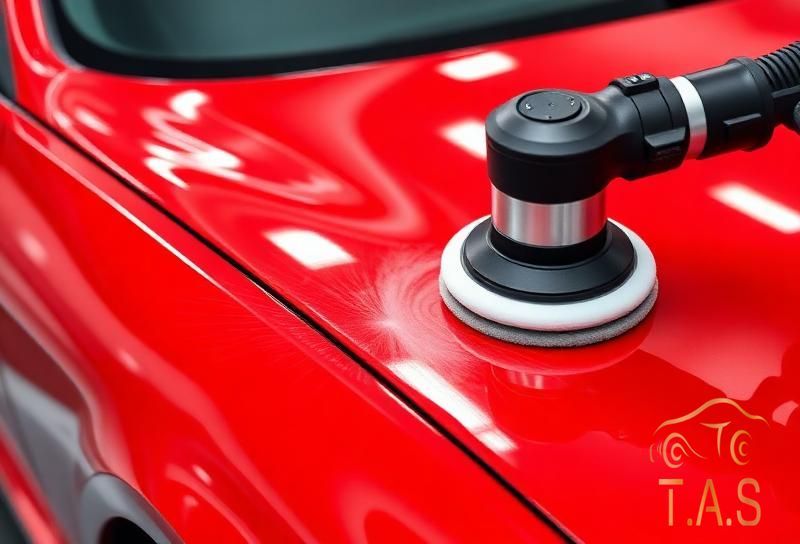
Professional Process at TAS Detailing Studio
Our comprehensive headlight restoration service includes:
#### Stage 1: Assessment - Evaluate oxidation severity - Check for internal damage or moisture - Determine if restoration or replacement is needed
#### Stage 2: Wet Sanding - Progressive sanding from 800 to 3000 grit - Removes all oxidation and surface damage - Creates smooth, clear surface
#### Stage 3: Machine Polishing - Multi-stage polishing with cutting compound - Finishing polish for optical clarity - Achieves glass-like transparency
#### Stage 4: Protection Options
Option A: UV Sealant (₹500-1,000) - Transparent protective coating - Lasts 12-18 months - Annual reapplication recommended
Option B: Ceramic Coating (₹1,500-3,000) - Hardened ceramic layer - 2-3 year protection - Hydrophobic properties
Option C: Headlight PPF (₹3,000-6,000) - Paint Protection Film application - 5-7 year protection - Self-healing properties - Stone chip protection
When to Choose Replacement Over Restoration
Restoration isn't always possible. Replace headlights if: - Cracks extend through the lens - Internal fogging from seal failure - Severe pitting that won't polish out - UV damage has caused permanent yellowing throughout
Headlight Protection After Restoration
Immediate Care (First 7 Days) - Avoid washing the vehicle - Don't wax or polish headlights - Keep away from chemicals
Ongoing Maintenance
Weekly: - Rinse with water to remove dirt - Use pH-neutral cleaner only
Monthly: - Clean with dedicated plastic cleaner - Inspect for new damage
Annually: - Reapply UV sealant (if not using ceramic/PPF) - Professional inspection
Prevention Tips
- Park in shade when possible
- Use car cover for outdoor parking
- Apply ceramic coating or PPF
- Clean gently with appropriate products
- Address chips before they spread
Cost Comparison: Restoration vs. Replacement
Restoration Costs (Per Pair)
| Service Level | Price Range |
|---|---|
| Basic (polish + sealant) | ₹1,500-3,000 |
| Standard (wet sand + polish + ceramic) | ₹3,000-5,000 |
| Premium (full restoration + PPF) | ₹6,000-10,000 |
Replacement Costs (Per Pair)
| Vehicle Category | OEM Price | Aftermarket |
|---|---|---|
| Hatchback | ₹15,000-30,000 | ₹8,000-15,000 |
| Sedan | ₹25,000-60,000 | ₹12,000-25,000 |
| SUV | ₹40,000-1,00,000 | ₹20,000-40,000 |
| Luxury | ₹80,000-3,00,000 | ₹40,000-80,000 |
Restoration typically costs 70-90% less than replacement while achieving comparable clarity.
Headlight Technology and Restoration
Halogen Headlights - Most common type - Easy to restore - Lenses are external and accessible
HID/Xenon Headlights - Brighter output - Restoration process is similar - May have internal components affecting clarity
LED Headlights - Becoming standard on new vehicles - Usually don't yellow as quickly - When they do, restoration is effective - Consider professional service to avoid damage
Laser/Matrix Headlights - Found on luxury vehicles - Complex internal optics - Restoration requires extreme care - Always recommend professional service
Frequently Asked Questions
How long does headlight restoration last? With professional restoration and proper protection (ceramic coating or PPF), results last 2-5 years. Without protection, clarity degrades within 6-12 months.
Can you restore headlights from the inside? Internal fogging requires opening or replacing the headlight unit. External restoration only addresses the outer lens surface.
Does headlight restoration improve light output? Yes, professional restoration can improve light output by 200-300% compared to severely oxidized headlights, significantly improving night driving safety.
How much does professional headlight restoration cost? Professional headlight restoration in India typically costs ₹1,500-10,000 per pair depending on the level of oxidation and protection options chosen.
Book Your Headlight Restoration
At TAS Detailing Studio in Thiruvananthapuram, we offer comprehensive headlight restoration services:
- Basic Restoration - Polishing + UV sealant
- Premium Restoration - Full wet sand + ceramic coating
- Ultimate Protection - Complete restoration + headlight PPF
All services include inspection, before/after documentation, and care instructions. Don't compromise your safety – restore your headlights to crystal clarity today.