Essential Monsoon Car Care Tips for Kerala: Protect Your Vehicle During Heavy Rains

# Essential Monsoon Car Care Tips for Kerala: Protect Your Vehicle During Heavy Rains
Kerala's monsoon season, lasting from June to September, brings heavy rainfall that can significantly impact your vehicle's condition. With annual rainfall exceeding 3000mm in many parts of the state, proper monsoon car care is essential to prevent rust, paint damage, and mechanical issues.
Why Monsoon Care is Critical in Kerala
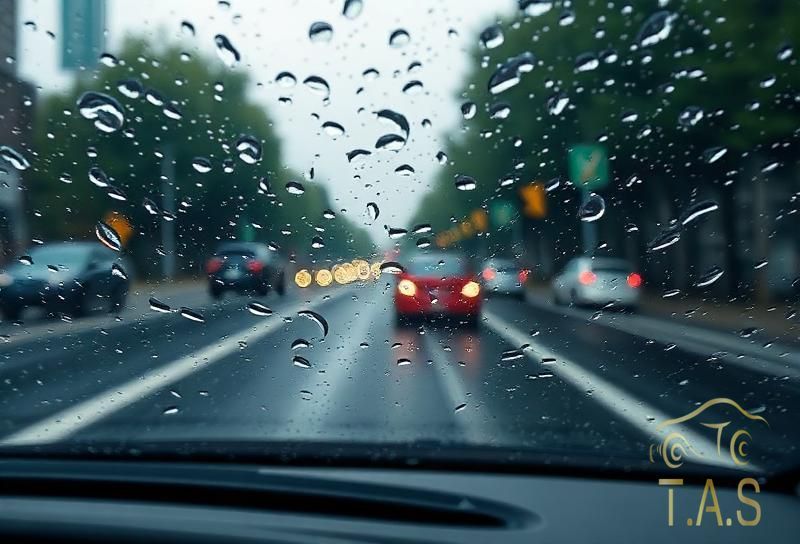
The combination of high humidity, heavy rainfall, and salt-laden coastal air creates a challenging environment for vehicles. Without proper protection: - Rust develops 3x faster during monsoon months - Paint oxidation accelerates due to acid rain - Interior mold and mildew become common problems - Brake efficiency decreases by up to 25%
Pre-Monsoon Preparation Checklist
1. Apply Protective Coatings
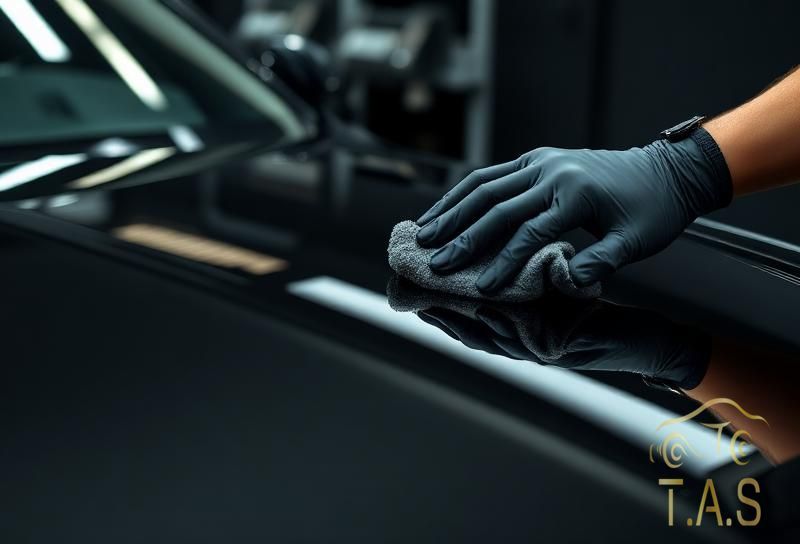
Ceramic Coating provides the best monsoon protection by creating a hydrophobic barrier that repels water and contaminants. At TAS Detailing Studio in Thiruvananthapuram, we recommend applying ceramic coating at least 2 weeks before monsoon onset for optimal curing.
Benefits during monsoon: - Water beads and rolls off instantly - Easier cleaning of mud and debris - Protection against acid rain damage - Reduced water spot formation
2. Underbody Rust Protection
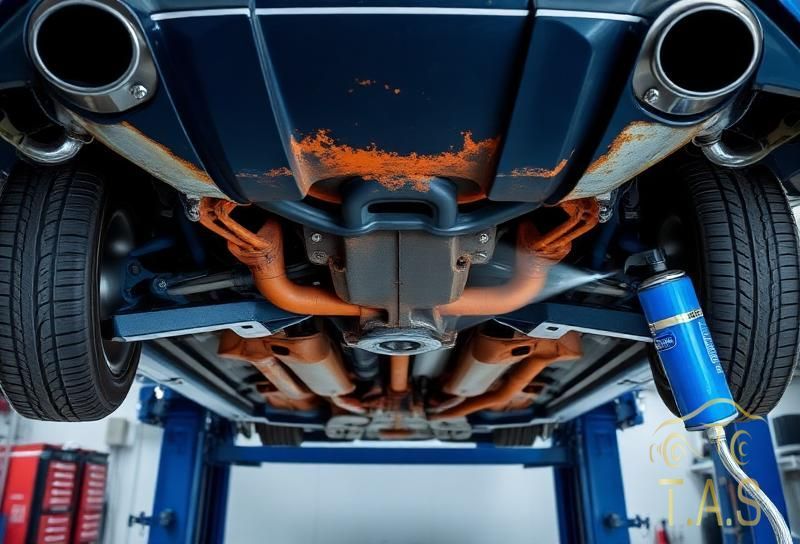
The underbody is most vulnerable during monsoon as it's constantly exposed to water, mud, and road salt. Professional underbody coating creates a protective barrier against: - Rust and corrosion - Stone chips and debris - Salt and chemical damage - Road grime accumulation
Recommended frequency: Apply underbody coating annually before monsoon season.
3. Interior Waterproofing
Protect your car's interior from moisture damage: - Apply fabric protector to cloth seats - Condition leather seats to prevent moisture absorption - Use rubber floor mats instead of carpet - Check door and window seals for leaks
During Monsoon: Weekly Maintenance Tips
Washing Protocol
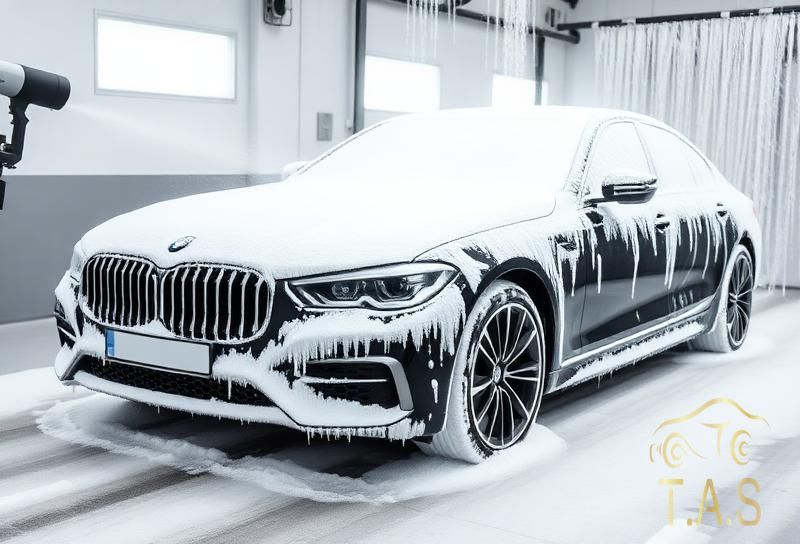
How often should you wash your car during monsoon? Wash your car at least once a week during monsoon. Mud and contaminants left on the paint accelerate corrosion and can cause permanent staining.
Best practices: 1. Rinse thoroughly before washing to remove abrasive mud 2. Use pH-neutral car shampoo 3. Dry completely with microfiber towels 4. Apply quick detailer spray for added protection
Brake Care
Wet brakes are less effective. After driving through water: 1. Test brakes gently in a safe area 2. Apply light pressure to dry brake pads 3. Listen for unusual sounds indicating contamination 4. Have brakes inspected if performance decreases
Electrical System Protection
Moisture can damage electrical connections. Protect by: - Avoiding deep water crossings - Checking battery terminals for corrosion weekly - Using dielectric grease on exposed connections - Ensuring all lights and wipers function properly
Headlight and Visibility Care
Headlight Restoration
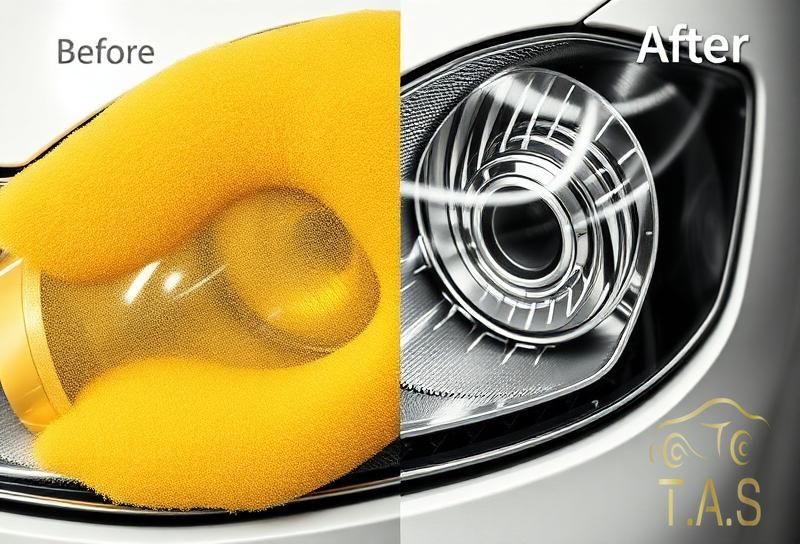
Foggy headlights reduce visibility by up to 80% - dangerous during heavy monsoon rains. Professional headlight restoration at TAS Detailing Studio includes: 1. Deep cleaning and decontamination 2. Multi-stage polishing to remove oxidation 3. UV-protective sealant application 4. Optional PPF for long-term protection
Windshield Treatment
Hydrophobic glass coating dramatically improves monsoon driving safety: - Water beads off at speeds above 40 kmph - Reduces wiper usage and streaking - Improves night visibility in rain - Repels dirt and grime
Post-Monsoon Recovery
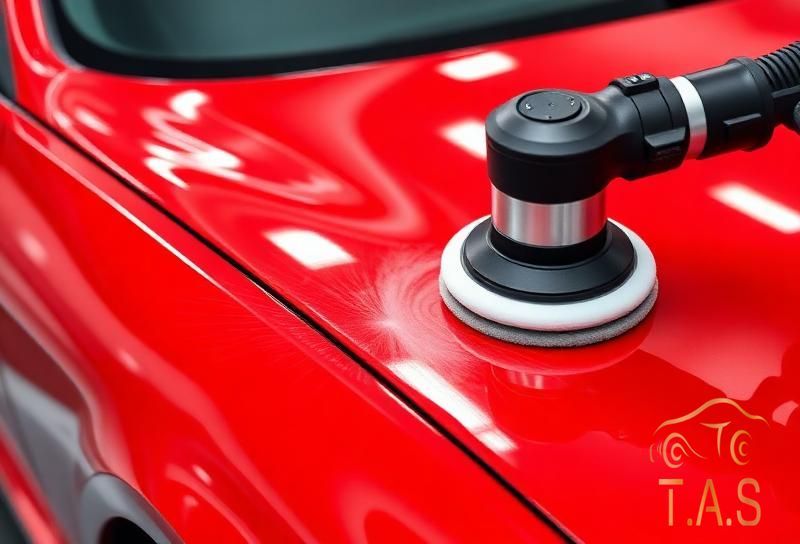
After monsoon ends, schedule a comprehensive inspection:
Professional Detailing Services
- Paint Correction - Remove water spots and etch marks
- Interior Deep Clean - Eliminate mold and musty odors
- Ozone Treatment - Sanitize and deodorize completely
- Ceramic Coating Maintenance - Restore hydrophobic properties
Mechanical Inspection
- Check wheel bearings for water damage
- Inspect suspension components for rust
- Examine brake rotors for corrosion
- Test AC system for mold contamination
Cost of Monsoon Damage vs. Prevention
| Damage Type | Repair Cost | Prevention Cost |
|---|---|---|
| Rust removal | ₹15,000-50,000 | ₹3,000-8,000 (underbody coating) |
| Interior mold remediation | ₹8,000-20,000 | ₹2,500-5,000 (protection + cleaning) |
| Paint correction | ₹10,000-25,000 | ₹15,000-45,000 (ceramic coating) |
| AC mold treatment | ₹3,000-8,000 | ₹1,500-3,000 (annual service) |
Prevention is always more economical than repair.
Expert Monsoon Care at TAS Detailing Studio
Located in Thiruvananthapuram, TAS Detailing Studio offers comprehensive monsoon protection packages:
- Monsoon Shield Basic - Exterior wash, wax, and interior protection
- Monsoon Shield Pro - Ceramic coating + underbody protection + interior treatment
- Monsoon Shield Ultimate - Complete PPF + ceramic + glass coating
Contact us before monsoon season to schedule your protection treatment and keep your vehicle safe through Kerala's challenging rainy months.
Frequently Asked Questions
How do I protect my car from rust in Kerala monsoon? Apply ceramic coating for paint protection, underbody anti-rust coating, and wash your car weekly to remove corrosive contaminants.
Is ceramic coating worth it for monsoon protection? Yes, ceramic coating provides excellent hydrophobic protection, making your car easier to clean and protecting against acid rain and water spots.
How often should I wash my car during monsoon? Wash at least once weekly during monsoon season to prevent mud and contaminants from causing permanent damage.