Borophene Coating Explained: Material Science, Chemistry, and Real-World Car Protection

Why Borophene Is Getting Attention in Detailing
If graphene was the first big leap in premium coating conversations, borophene is now being discussed as the next-generation material concept. But unlike common detailing buzzwords, borophene comes from serious materials science.
The important point for car owners: you should separate:
- Borophene (the 2D boron material studied in laboratories)
- Borophene-enhanced commercial coating formulations used in detailing
They are related, but not identical.
What Exactly Is Borophene?
Borophene is a two-dimensional (2D) sheet of boron atoms. Think of it as an atomically thin boron layer, somewhat analogous to graphene as a 2D carbon layer.
Early experimental work (2015-2016) demonstrated borophene growth on metallic substrates such as silver under controlled, ultrahigh-vacuum conditions. Since then, researchers have explored multiple borophene polymorphs (different atomic arrangements), including beta12 and chi3-type structures.
From a material perspective, borophene is interesting because it combines:
- Metallic electronic behavior
- High anisotropy (direction-dependent properties)
- Very low thickness with strong in-plane bonding
- Unusual chemistry tied to boron's electron deficiency
The Chemistry Behind Borophene: Why Boron Is Different
Boron does not behave like a simple "one-bond-per-neighbor" textbook element in many structures. It is electron-deficient, and that drives unusual bonding patterns.
1) Electron Deficiency
Boron has fewer valence electrons than needed for conventional localized bonding in extended 2D networks. To stabilize structures, boron often uses delocalized bonding rather than only simple two-center bonds.
2) Multicenter Bonding
Boron's chemistry often involves multicenter bonding motifs (for example, three-center two-electron style bonding in related boron systems). This is one reason boron materials can form diverse, non-intuitive structures.
3) Polymorphism
Unlike a single "perfect sheet" concept, borophene can exist in multiple polymorphs depending on growth conditions and substrate interactions. That matters because different atomic patterns can produce different electronic, mechanical, and chemical behavior.
Why Pure Borophene Is Not Directly a "Spray-On Car Layer"
This is the most important technical clarity.
Research-grade borophene synthesis is usually performed with tightly controlled methods (for example, epitaxial growth in ultrahigh-vacuum environments on metal substrates). Pure borophene is also chemically reactive and prone to oxidation in ambient conditions unless carefully protected.
So in automotive detailing, the term "borophene coating" generally refers to:
- A hybrid nano-coating matrix (often ceramic/polymer based)
- Enhanced with boron/borophene-related chemistry in formulation claims
- Engineered for practical application, curing, and durability on automotive clear coat
In other words, detailing products are performance coatings inspired by borophene science, not a transferred lab-grown single-crystal borophene sheet.
Oxidation and Stability: The Core Scientific Challenge
A major research topic in borophene literature is ambient stability. Borophene can oxidize quickly if unprotected. Recent work has shown encapsulation strategies can dramatically improve stability, but this also reinforces a practical truth:
- Surface chemistry and barrier design are everything
- Protection layers and matrix engineering determine long-term usability
That same principle applies in automotive coatings. Real performance comes from the complete system:
- Binder chemistry
- Additives/fillers
- Surface preparation
- Curing behavior
- Maintenance quality
How Borophene-Positioned Automotive Coatings Are Expected to Perform
In the detailing market, borophene-positioned coatings are usually marketed for:
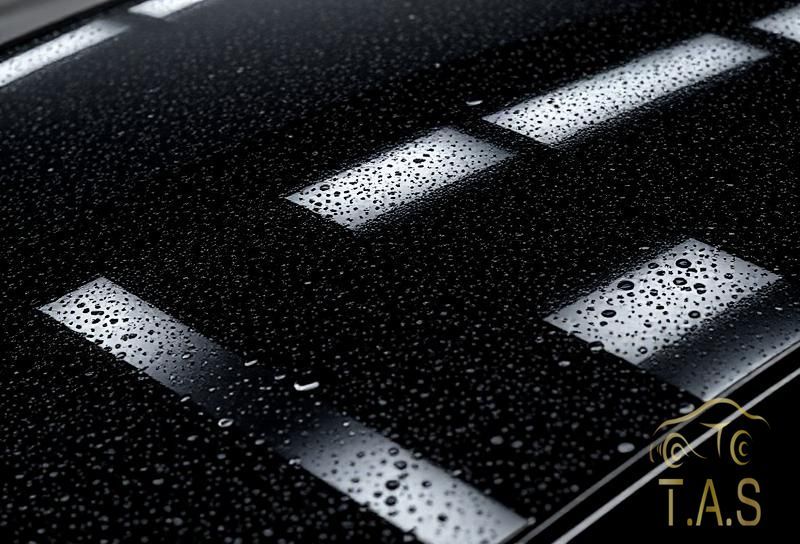
- Strong hydrophobic behavior
- High gloss and surface slickness
- Chemical resistance to common contaminants
- Better long-term surface retention versus entry-level coatings
Possible practical advantages for users:
- Easier cleaning during monsoon season
- Better resistance to dulling from daily contaminants
- Reduced appearance of wash marring in self-healing variants
But chemistry names alone do not guarantee outcomes. The final result still depends heavily on prep, correction, application quality, and aftercare.
Borophene vs Ceramic vs Graphene: A Practical View
Ceramic Coatings - Proven, widely available, value-focused - Great hydrophobic and chemical protection - Broad range from entry to premium tiers
Graphene Coatings - Positioned for better heat behavior and anti-static benefits - Typically premium over standard ceramic tiers - Strong option for long-term owners
Borophene-Positioned Coatings - Newer premium category in consumer detailing - Positioned around advanced material narrative and high-end finish retention - Should be evaluated by installer quality and package design, not label alone
The Application Workflow Matters More Than Marketing
For any premium coating chemistry, performance is dominated by process discipline:
- Decontamination and surface de-ironization
- Clay treatment
- Paint correction to level defects
- IPA/panel prep to remove oils
- Controlled coating laydown
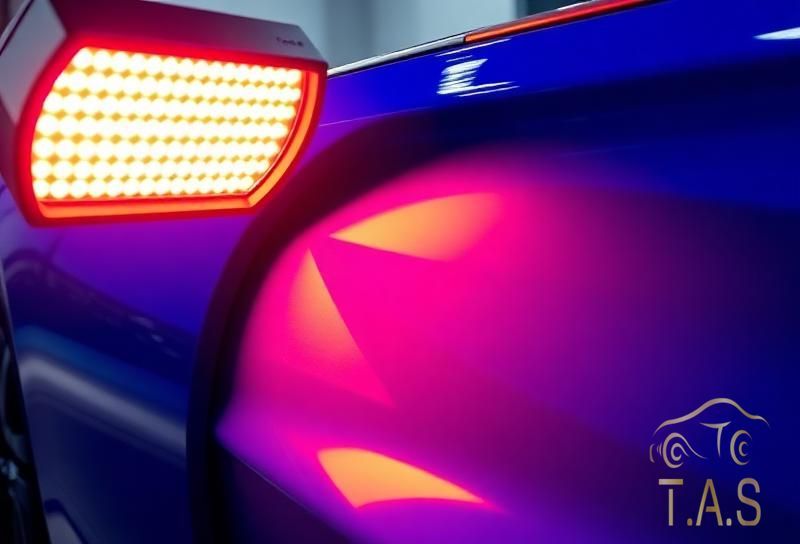
- Cure management (including IR-assisted methods where applicable)
- Post-care instructions and maintenance schedule
Skipping any one of these steps can reduce longevity more than any material upgrade can recover.
Is Borophene Coating Worth It?
It can be, if:
- You want a premium finish with long-term ownership in mind
- You are willing to follow coating-safe maintenance
- The installer has a controlled process and transparent package definitions
It is not ideal if:
- You want impact protection from stone chips (PPF is needed for that)
- You expect zero-maintenance behavior
- You are choosing only by marketing terminology
Final Takeaway
Borophene is a real and exciting materials-science domain with non-trivial chemistry behind it. In car detailing, borophene coating should be understood as a premium, borophene-positioned formulation strategy rather than literal lab borophene transfer onto paint.
For vehicle owners, the winning formula remains the same:
- Strong underlying chemistry
- Excellent prep and application
- Consistent maintenance
Related Service
Borophene Coating Packages
Explore our 3-5 year Borophene Pro and 5-year Self-Healing Borophene packages with professional paint correction and controlled application.
If you want a package recommendation based on your usage pattern, climate exposure, and ownership period, our team can inspect your paint and suggest the right tier.
Related Service
Book Borophene Coating in Trivandrum
Get borophene coating done in Trivandrum at TAS Detailing Studio, Maruthankuzhi. Competitive pricing with certified technicians.