Ceramic vs Graphene vs Borophene Coating: Which One Should You Choose in 2025?
What is the Difference Between Ceramic, Graphene, and Borophene Coating?
Three names, one question: what actually goes on your car and what does it do? Here is the honest answer.
Ceramic coating bonds silicon dioxide (SiO2) to your clear coat, forming a hard, UV-stable, hydrophobic layer. This is the proven mainstream option with 15+ years of real-world data.
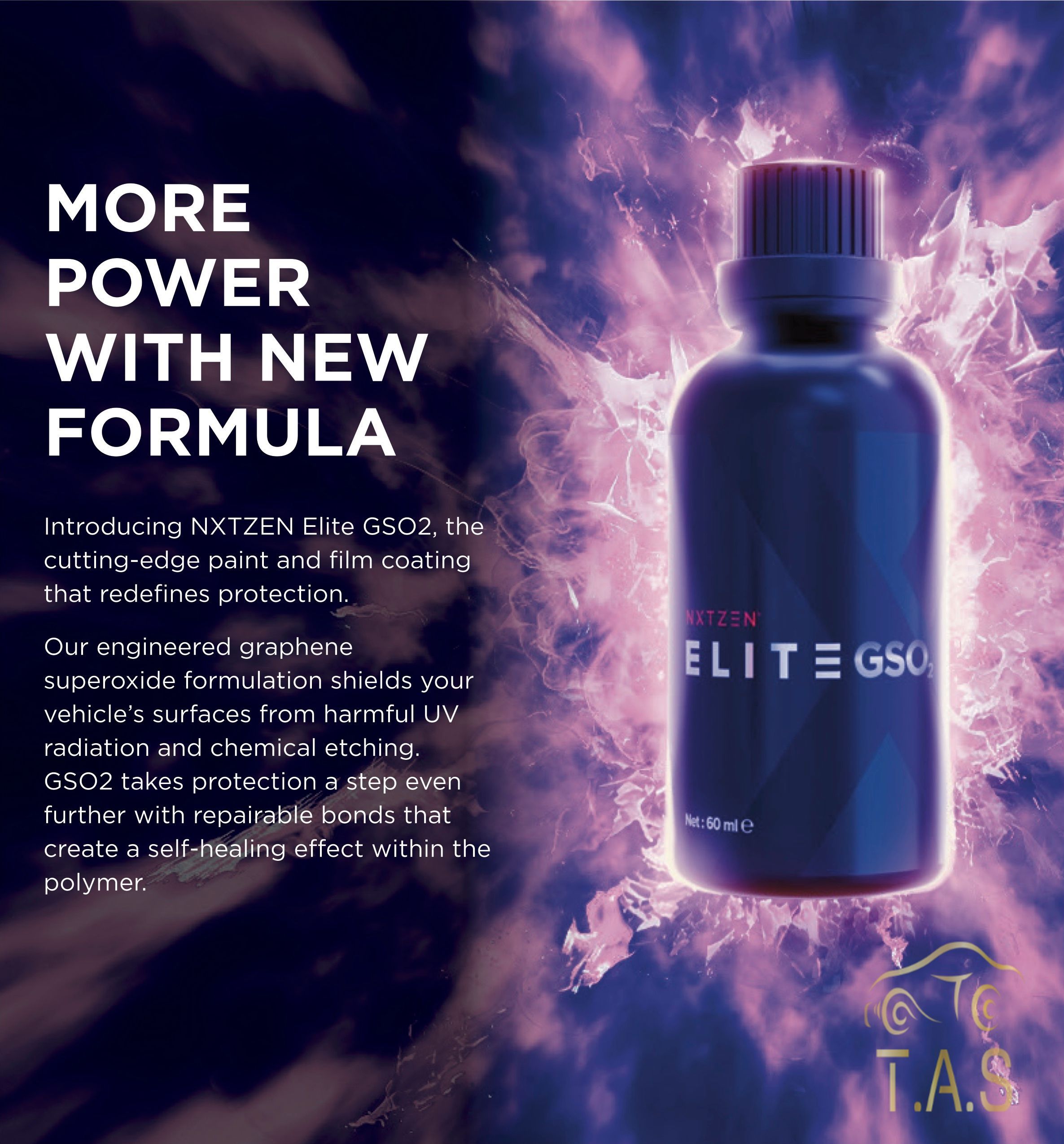
Graphene coating adds graphene-related components — typically graphene oxide (GO) or functionalised graphene superoxide (GSO2) — into the ceramic matrix. This improves heat dissipation, anti-static behaviour, and top-tier durability significantly over standard ceramic.
Borophene-positioned coating is a boron-infused ceramic hybrid. The term "borophene" is used in marketing, but true borophene (a one-atom-thick boron sheet) is chemically unstable in air and cannot be applied to cars. What you actually get is a borosilicate or boron-doped ceramic formula — which is still a real, high-quality product, just not the lab material the name implies.
This distinction matters so you know what you are paying for.
Full Comparison Table: Ceramic vs Graphene vs Borophene
| Property | Ceramic | Graphene | Borophene-Positioned |
|---|---|---|---|
| Core chemistry | SiO2 (silicon dioxide) | SiO2 + graphene oxide / GSO2 | SiO2 + boron compound |
| Hardness | 9H | 9H–10H | Claims 10H+ |
| Durability (maintained) | 2–5 years | 5–9 years | 3–7 years |
| Heat dissipation | Poor — absorbs & holds heat | Excellent — disperses laterally | Good |
| Water spotting in sun | Common | Rare | Reduced |
| Hydrophobic contact angle | ~100° | ~110°+ | ~105°+ |
| Anti-static (dust repulsion) | No | Yes | Partial |
| UV resistance | Good, degrades over time | Up to 20% UVA blocked (chemically bonded) | Good |
| Self-healing | No (except composite tiers) | Yes (upper tiers, heat-activated) | Claims yes (select tiers) |
| Flexibility | Rigid — can micro-crack with age | Flexible graphene bonds | Moderate |
| FASTag / GPS signal safe | Yes | Yes | Yes |
| Real science backing | 15+ years of data | CSIRO-tested, peer-reviewed | Borosilicate proven, "borophene" name is marketing |
| Entry price at TAS (hatchback) | From ₹12,000 | From ₹18,000 | From ₹20,000 |
TAS Package Comparison: What Do You Actually Get?
| Package | Type | Duration | Self-Healing | Highlights |
|---|---|---|---|---|
| Ceramic Shield | Ceramic | Up to 1 year | No | Single layer, 9H, hydrophobic basics |
| Ceramic Guard | Ceramic | 2–3 years | No | Anti-static, chemical resistance pH 2–12 |
| Ceramic Ultra | Ceramic | 3–5 years | No | Dual-layer IR-cured, full paint correction included |
| Ceramic Ultra Plus | Ceramic composite | Up to 9 years | Yes | 10H, CSIRO-tested, Multi-Cure Layer Technology |
| Graphene Shield | Graphene | Up to 2 years | No | 9H + heat dissipation + anti-static |
| Graphene Pro | Graphene | 3–5 years | No | 9H+, IR blocking, anti-static layer |
| Graphene Ultra | Graphene | 5–7 years | Yes | 10H, self-healing bonds, full correction |
| Graphene Ultra Plus | Graphene GSO2 | Up to 9 years | Yes | Elite GSO2, 20% UVA blocked, CSIRO, pH 14 resistance |
| Borophene Pro | Borophene-positioned | 3–5 years | No | Boron-doped ceramic, premium gloss |
| Borophene Self-Heal | Borophene-positioned | Up to 5 years | Yes | Self-healing tier, advanced borosilicate formula |
Why Does Heat Dissipation Matter in Kerala?
Kerala gets intense UV from March to May and significant heat buildup even in monsoon breaks. Standard ceramic traps heat at the paint surface — this causes water spot etching when rain falls on a hot panel. Graphene conducts heat laterally across the surface and dissipates it, dramatically reducing water spotting. If you park outdoors in Trivandrum, this difference is visible within months.
Which Coating is Right for You?
Is ceramic coating enough for my car in Kerala?
Yes, if you keep the car 2–4 years, park partly indoors, and maintain it with two-bucket wash technique every 2–3 weeks. Ceramic Ultra (3–5 years) is the sweet spot for most daily drivers in Trivandrum.
When should you choose graphene coating over ceramic?
Choose graphene if: you keep the car 5+ years, you park outdoors most days, you do frequent highway runs (NH66, NH85) where insect and debris contamination is heavier, or you want the highest-performance self-healing finish. The Graphene Ultra Plus tier is the best single product we offer for long-term Kerala ownership.
Is borophene coating worth the premium?
Borophene-positioned coatings deliver real boron compound benefits — higher hardness and improved gloss depth. They sit between ceramic and graphene in real-world performance. If you want a step above ceramic without going to full graphene pricing, it is a legitimate choice. Just understand the marketing name does not reflect laboratory borophene.
Related Service
Ceramic Coating Trivandrum — 4 Tiers from ₹12,000
Compare Ceramic Shield, Guard, Ultra, and Ultra Plus. Every package includes controlled application, IR curing, and professional prep.
Related Service
Graphene Coating Kerala — Up to 9 Years
Four graphene tiers from ₹18,000. Graphene Ultra Plus uses Elite GSO2 research-grade coating with CSIRO-tested chemical resistance.
What is the Best Coating for Kerala's Climate Specifically?
Kerala's combination of tropical UV (UV index 10–11 from March to May), monsoon humidity, coastal salt air, and dense traffic makes a specific case for graphene over ceramic:
- Heat dissipation matters because panels reach 65–70°C when parked in Trivandrum summer
- Anti-static matters because dusty conditions after rain leave fine silica particles on surfaces
- Self-healing matters because narrow roads and two-wheelers mean light contact swirls happen frequently
- Chemical resistance matters because Kerala's monsoon brings acid rain and tree sap contamination
For a new car owner in Trivandrum keeping the car 5+ years: Graphene Ultra is the most complete answer.
Common Mistakes When Choosing a Car Coating
- Choosing by marketing name alone — always ask what chemistry the product actually uses
- Comparing "years" from the brochure without reading maintenance conditions
- Expecting any coating to stop stone chips — coatings cannot, only PPF can
- Applying coating without paint correction — locking in swirls permanently
- Using the wrong wash method after — harsh brushes break down any coating faster
Quick Decision Guide
| Your Situation | Best Choice |
|---|---|
| First car, budget-conscious, keep 2 years | Ceramic Shield or Ceramic Guard |
| Daily driver, keep 3–5 years, moderate care | Ceramic Ultra |
| Long-term owner, park outdoors, highway use | Graphene Ultra |
| Premium car, best-in-class finish, 7–9 years | Graphene Ultra Plus |
| New car, want step above ceramic, moderate budget | Borophene Pro |
| Premium car + maximum self-healing + 5 years | Borophene Self-Heal |
Still unsure? The honest answer is always tied to three inputs: how long you keep the car, where you park it, and how disciplined your wash routine will be. Book a free consultation at TAS Detailing and we will walk you through the right decision in under 10 minutes.
Related Service
Free Coating Consultation — TAS Detailing Trivandrum
Not sure between ceramic, graphene, or borophene? Visit our studio in Maruthankuzhi, Trivandrum for an honest, no-pressure recommendation based on your car and ownership plan.