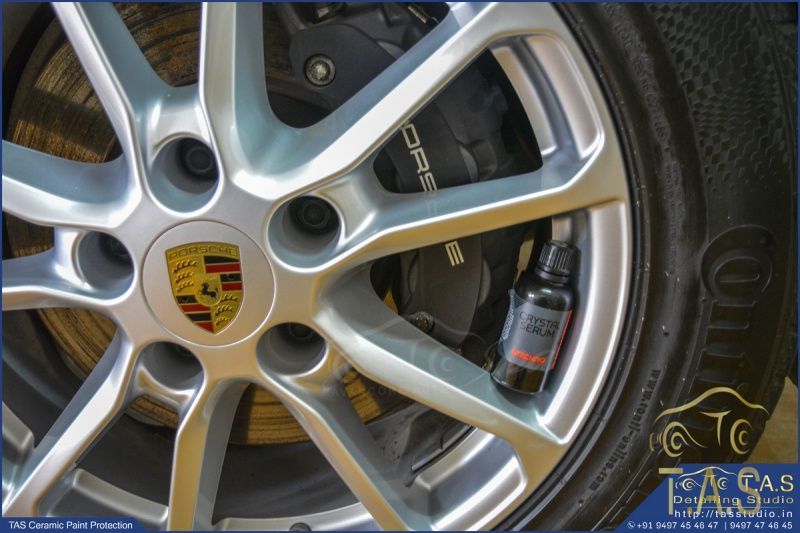
Alloy Ceramic Coating
Ceramic coating for alloys and wheel barrels to reduce brake dust buildup, staining, and cleaning effort.
Tailored Packages for Every Need
Face Coating Only
- All 4 wheels outer surface
- Face coating only
- 2 year protection
Full Alloy Coating
- All 4 wheels removed
- Outer and inner surface coating
- Includes barrel and inner wheel coating
- 2 year protection
Note: Package details, features, pricing, and availability are subject to change. Please contact us directly to confirm the latest inclusions, pricing, and slot availability before booking.
Booking note: Prior booking is required for this service. Please contact us in advance to confirm availability and reserve a slot.
Popular Add-Ons
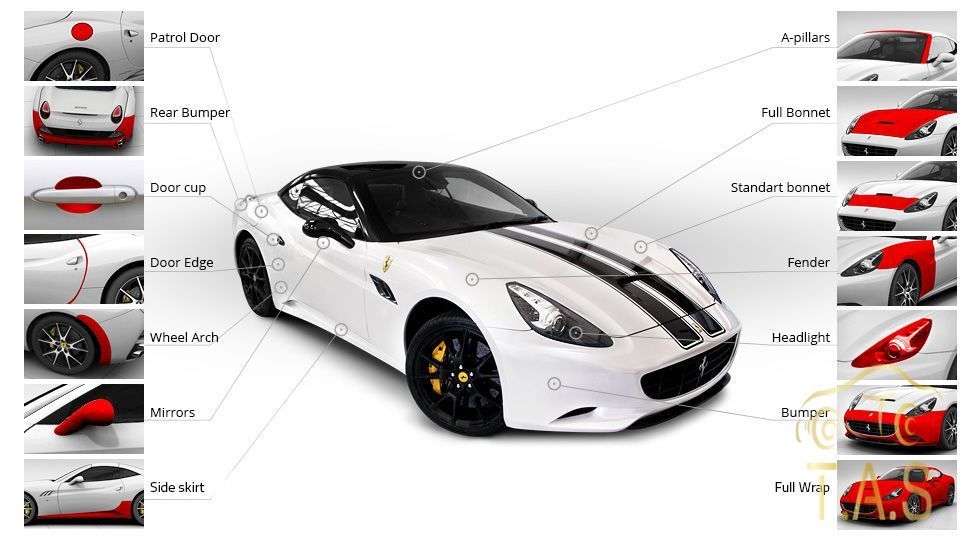
Complete Service Overview
The Brake Dust Problem
Alloy wheels are one of the hardest parts of a car to keep clean — not because of how they look, but because of what braking does to them. Every time the brakes are applied, metal particles are abraded from the brake rotors and pads and thrown outward at high temperature. These particles land on the wheel surface while hot and bond as they cool, creating the grey-brown contamination that builds up between washes. On intricate multi-spoke designs with recessed barrels, this contamination collects in areas a brush cannot easily reach and becomes progressively more embedded with each wash cycle.
Standard car shampoo does not remove bonded iron particles — it just removes the loose layer on top. Effective wheel cleaning requires a dedicated iron fallout remover and brush work inside every spoke cavity. On a contaminated set of alloys, this can take 20-30 minutes per wheel to do properly.
How Ceramic Coating Changes the Equation
A nano ceramic coating makes the wheel surface non-porous and hydrophobic. Brake dust particles that land on a coated wheel cannot embed into the surface — they sit on top of the coating where a rinse with water or a light wipe is enough to remove them. The difference is immediate: most customers find that post-coating wheel cleaning takes a fraction of the previous time, and the wheels look significantly better between washes.
The coating also provides UV resistance that prevents the clear coat on painted alloys from fading and yellowing under Kerala's strong sun, and chemical resistance against the brake cleaner and wheel cleaning products that can damage unprotected alloy finishes over time.
Application Process
Proper alloy ceramic coating requires wheels off the car. Each wheel is decontaminated with an iron fallout remover, cleaned thoroughly including the barrel, polished to restore surface gloss, and then coated. The entire process takes one day for all four wheels. The 2-year protection it provides is only achievable with this level of surface preparation — shortcuts produce short-lived results.
Who Should Get This Service
- Owners with multi-spoke alloys that are hard to clean properly
- Dark-finish wheels that show brake dust quickly
- Cars driven daily in traffic where brake dust buildup is constant
- Customers getting a paint coating package and wanting the wheels to match
Common Questions
Why does brake dust bond so aggressively to alloy wheels?
Brake dust is a mixture of fine metal particles abraded from the brake rotors and pads during braking. These particles are ejected at high temperature and land on the wheel surface while still hot, bonding to the alloy or painted wheel surface as they cool. Over time, iron particles oxidize into rust on the wheel surface, creating the reddish-brown staining that resists normal washing. The longer brake dust is left, the more permanently it bonds — and on intricate spoke designs, it is nearly impossible to fully remove with brushes alone once embedded.
Do the wheels need to be removed for coating?
Yes. Proper ceramic coating requires the wheels to be off the car for thorough cleaning, decontamination, iron fallout treatment, and polishing before the coating is applied. Trying to coat wheels on the car means working around tires, brake calipers, and suspension components — coating applied without complete surface preparation will not bond correctly and will peel or fail early. Off-car application also allows coating of the inner barrel, which stays cleaner longer and is much easier to clean when road grime cannot bond to it.
How much less frequently do I need to clean my wheels after coating?
Most customers notice they can go 2-3 times longer between wheel cleans after coating. Brake dust still accumulates — the coating does not stop dust from landing on the wheel — but it prevents the particles from bonding to the surface. Instead of needing a brush and degreaser to scrub off bonded iron, a rinse with water or a quick wipe with a wet cloth removes the loose dust completely. The difference in cleaning effort is one of the most immediately noticeable effects of the coating.
How does the coating handle the extreme heat generated near brake calipers?
Alloy ceramic coating is formulated specifically for the temperature conditions at wheels — which are far more demanding than body panels. The coating withstands temperatures well above what standard ceramic paint coatings handle. During normal driving and even heavy braking, the coating remains stable and continues to perform. It does not outgas, discolor, or lose adhesion under normal driving heat conditions.
How long does alloy ceramic coating last?
Properly applied, alloy ceramic coating lasts approximately 2 years before a reapplication is beneficial. Longevity depends on wheel cleaning frequency, the cleaning products used (avoid acid-based wheel cleaners, which degrade ceramic coatings), and how hard the car is driven. Annual inspection at your regular service is a good time to assess the coating condition.
Can this be applied to painted steel wheels or only alloys?
The coating can be applied to any metal wheel surface — painted steel wheels, raw alloy, polished alloy, or powder-coated alloy. The surface preparation process is adapted to the wheel type. Polished alloy benefits the most visually, as the coating deepens the shine and makes the polished surface far easier to maintain. Painted steel wheels benefit primarily from the easier cleaning and brake dust resistance properties.
Related Services

Ready to Protect Your Car?
Get a personalized quote and expert advice for alloy ceramic coating.