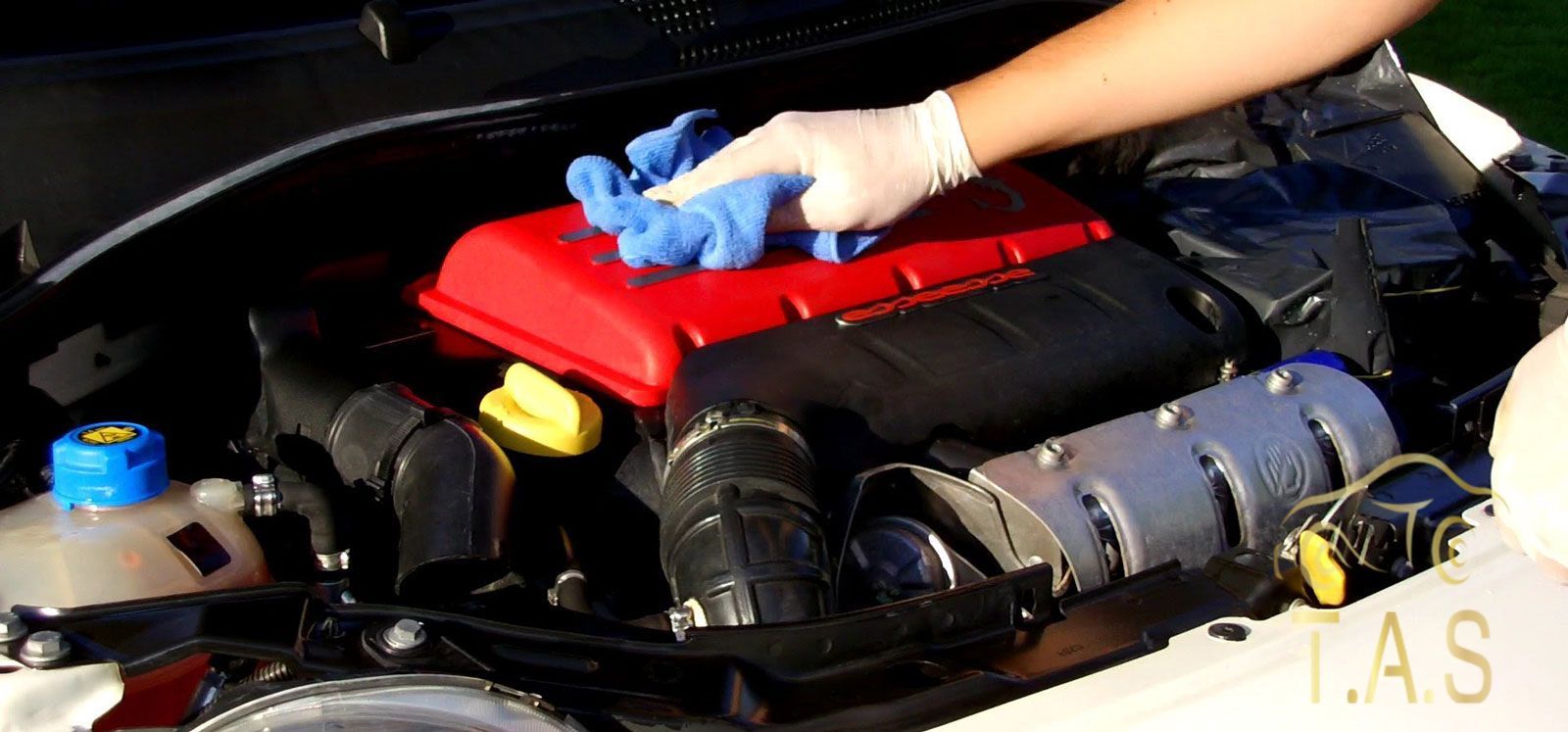
Engine Bay Detailing
Engine bay detailing for cars with oil film, dust buildup, and neglected under-bonnet areas that need proper cleaning.
Tailored Packages for Every Need
Engine Detail
- Degrease
- Deep clean
- Plastic dressing
Note: Package details, features, pricing, and availability are subject to change. Please contact us directly to confirm the latest inclusions, pricing, and slot availability before booking.
Booking note: Prior booking is required for this service. Please contact us in advance to confirm availability and reserve a slot.
Popular Add-Ons
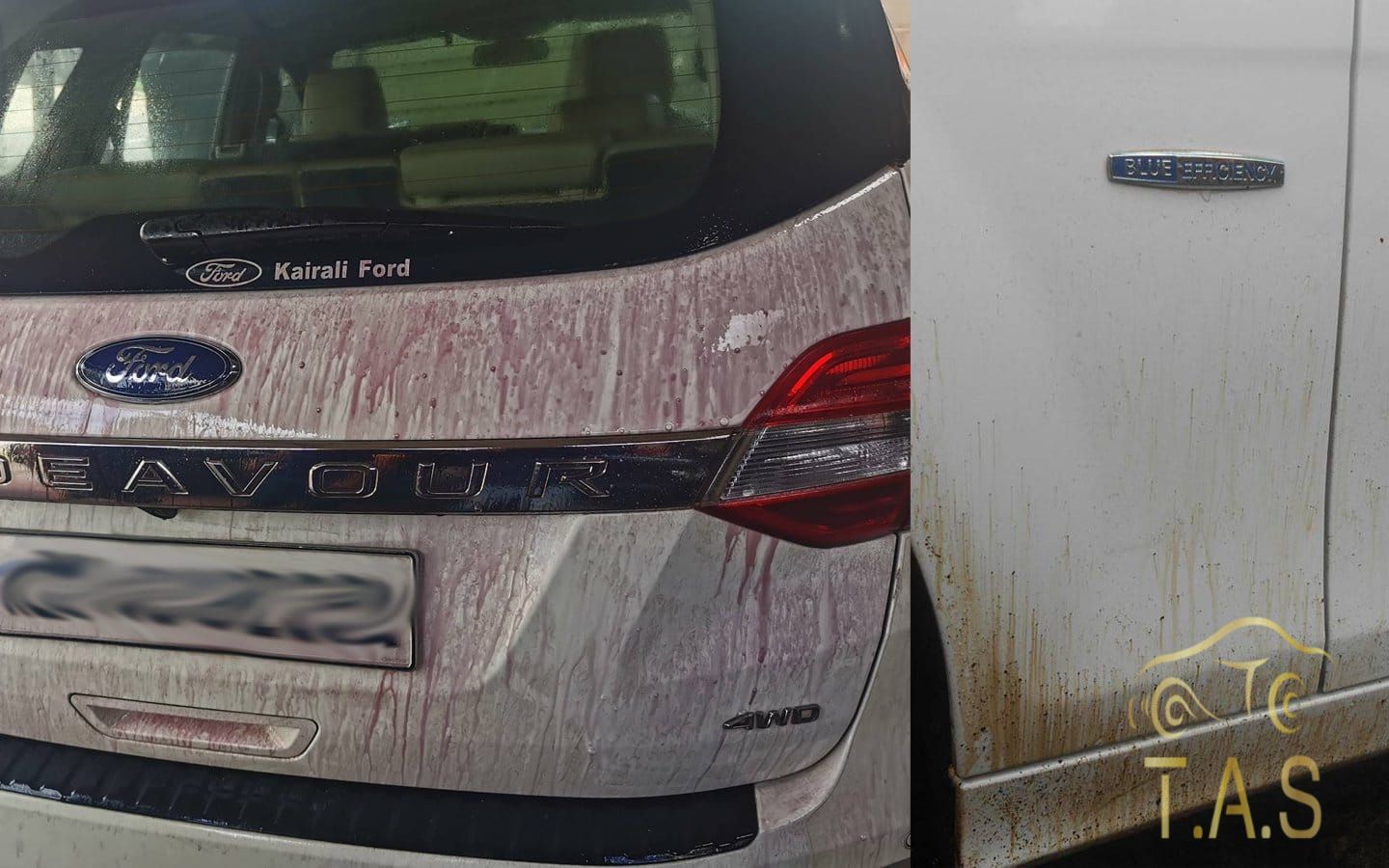
Decontamination & Tar Removal
Remove bonded tar, iron fallout, bug residue, sap, and rough contamination from paint.
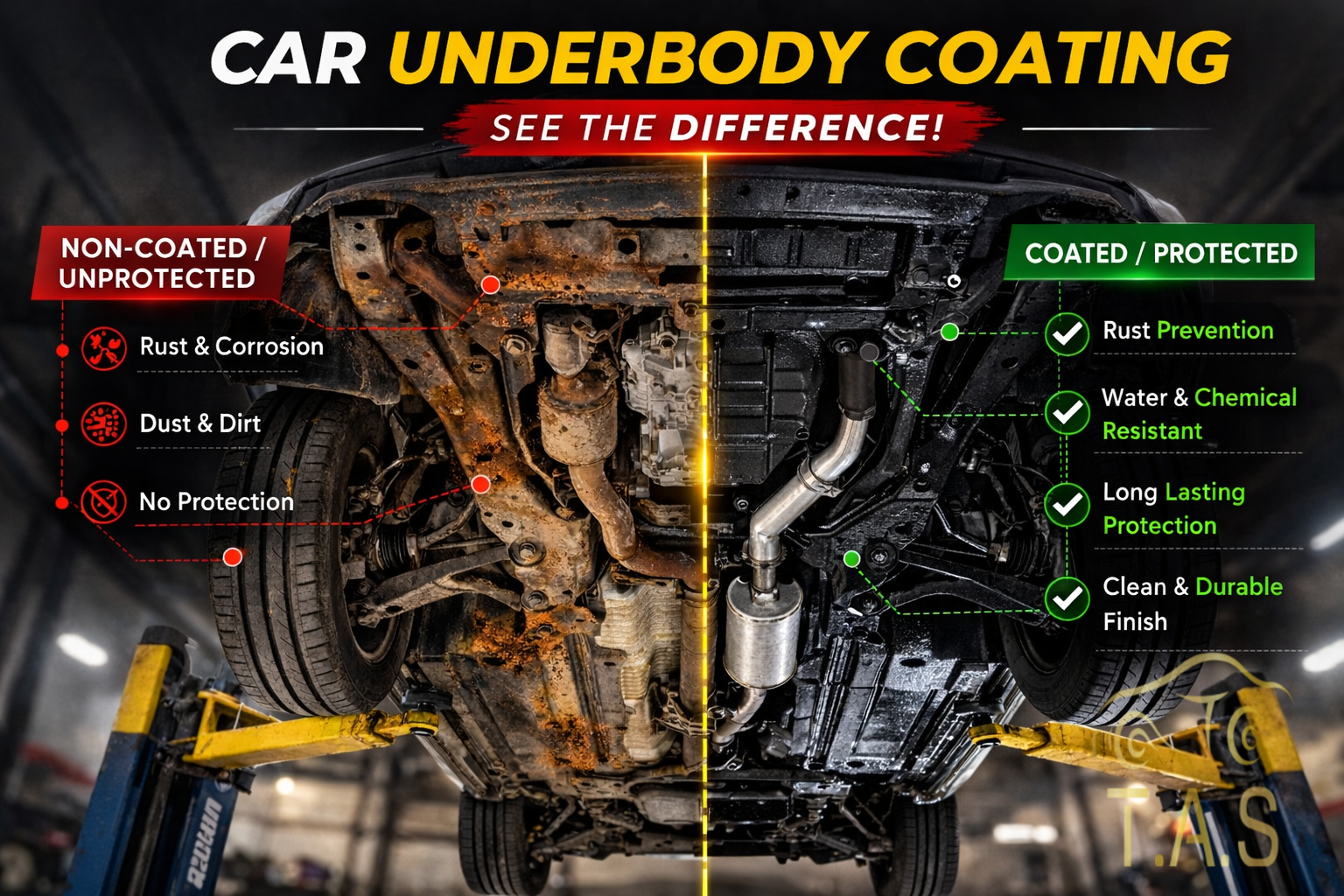
Car Underbody Coating
Rubberized anti-rust coating for your car's underbody and silencer — protecting the parts you can't see from corrosion, moisture, and road debris.

Ceramic Coating
Professional ceramic paint protection for cars. Four tiers from up to 1 year to 9 years — self-healing available at the flagship tier.
Complete Service Overview
The Most Neglected Part of the Car
Most car owners wash the exterior, clean the interior, and polish the paint — but the engine bay is left untouched from delivery until the car is sold. The result is years of accumulated grease, road grime, oil film, dust, and in Kerala's humid climate, organic buildup that would not be acceptable anywhere else on the vehicle.
This matters beyond aesthetics. Grease and grime trap heat around components that are sensitive to temperature. Rubber hoses and gaskets degrade faster when surrounded by accumulated heat-retaining material. Minor oil seeps — which would be caught early on a clean engine — are invisible until they become significant leaks on a dirty one. And in the second-hand market, a grimy engine bay is one of the first things a buyer or dealer uses to justify a lower offer.
What Engine Bay Cleaning Reveals
One of the most practical outcomes of a thorough engine bay clean is that it creates a clean baseline for ongoing mechanical monitoring. When a freshly cleaned engine has any fluid leak, it shows up immediately — a small dark spot on a clean surface rather than lost in existing grime. Customers who get engine bay detailing regularly consistently catch minor leaks and hose sweats earlier, when they are simple and inexpensive to fix.
Kerala's coastal environment adds another concern: salt air deposits accumulate on metal components over time, accelerating surface corrosion on brackets, clips, and exposed metal. Annual cleaning removes these deposits before they develop into structural rust.
Our Process
We cover all sensitive electrical connectors and components before cleaning. A foaming degreaser is applied across all surfaces and allowed to penetrate grease buildup. Steam cleaning removes the loosened contamination thoroughly from all recessed areas, hose surfaces, and firewall. Plastic components are dressed to restore faded surfaces. Metal is cleaned of surface oxidation and residue. The bay is dried completely before the vehicle is started.
The result is an engine bay that looks maintained, is easier to inspect, and provides a clean starting point for catching future issues early.
Best For
- Cars with visible grease and dust buildup in the engine bay
- Pre-sale preparation where presentation matters
- Annual maintenance on daily-driven cars
- Owners trying to identify minor leaks or fluid seepage early
Engine Bay Detailing Gallery
Common Questions
Is it safe to wash an engine bay with water or steam?
Yes, when done correctly. Modern engines are designed to tolerate water exposure — sensors, connectors, and the ECU are sealed against moisture encountered in normal driving through rain and water crossings. Professional engine bay cleaning covers sensitive electrical components before cleaning, avoids directing high-pressure water at connectors, and allows proper drying before the vehicle is started. The risk comes from improper technique — pressure washing exposed connectors directly or not allowing the bay to dry. Done correctly, it is completely safe.
How often should I get the engine bay cleaned?
Once a year is a sensible baseline for most daily-driven cars, or whenever the car is being prepared for sale. Cars driven in dusty conditions, on construction-adjacent roads, or that have developed an oil seep or minor leak benefit from more frequent cleaning — a dirty engine bay makes any leaks impossible to spot until they become serious. For cars in Kerala's coastal areas, annual cleaning also removes salt air deposits that accumulate on metal components over time.
Can a clean engine bay actually help detect oil leaks?
Yes — this is one of the most practical benefits. On a dirty, greasy engine, a small oil seep from a gasket or hose blends invisibly into existing grime and can go undetected for months while it worsens. After thorough degreasing, the engine bay is a clean baseline. Any new oil, coolant, or fluid deposit is immediately visible at the next inspection. Many customers who get engine bay cleaning as part of a pre-sale preparation or annual service discover minor leaks they were unaware of — caught early, these are inexpensive fixes rather than costly repairs.
Does a dirty engine bay cause actual mechanical problems?
Yes, over time. Accumulated grease and grime acts as an insulating layer that traps heat around engine components. Excess heat accelerates the degradation of rubber hoses, gaskets, and plastic components. Grease buildup near ignition components can cause misfires in older vehicles. In Kerala's hot and humid climate, organic material buildup in the engine bay also attracts insects and rodents — a common cause of wiring damage that is difficult and expensive to repair.
How does engine bay condition affect resale value?
Significantly. Any knowledgeable second-hand buyer opens the bonnet during inspection. A clean, well- presented engine bay signals that the car has been properly maintained. A dark, greasy engine covered in accumulated grime signals the opposite — regardless of how well the rest of the car presents. In India's second-hand market, where buyers negotiate hard on any perceived maintenance concern, a clean engine bay is worth real money in the final price negotiation.
What exactly gets cleaned — does it cover plastic covers, hoses, and metal?
The full engine bay is cleaned: plastic engine covers and trim, rubber hoses and belts, metal surfaces, the firewall, the inner wings, and the underside of the bonnet. Plastic components are dressed with a plastic restorer to revive faded surfaces. Metal surfaces are cleaned of grease, grime, and surface oxidation. The result is not just a clean engine — it is a presentable, well-maintained-looking engine bay that holds its condition longer than a hastily wiped-down unit.
Related Services

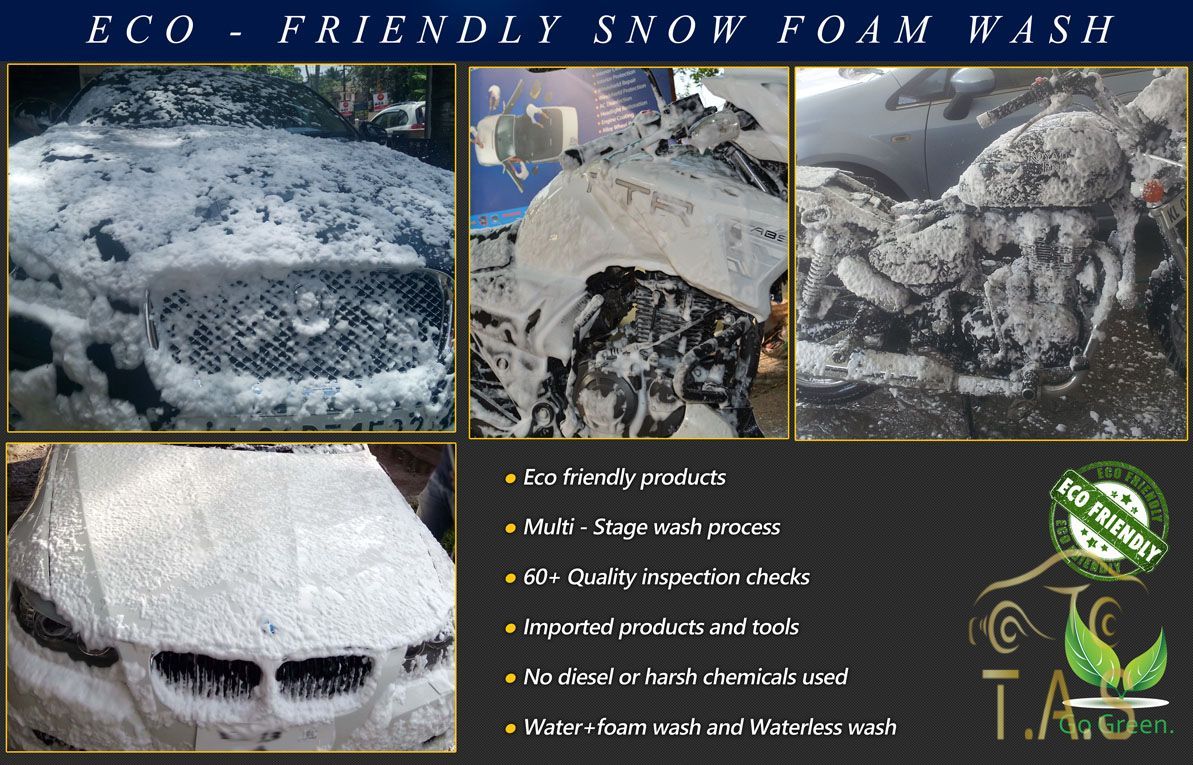
Ready to Protect Your Car?
Get a personalized quote and expert advice for engine bay detailing.