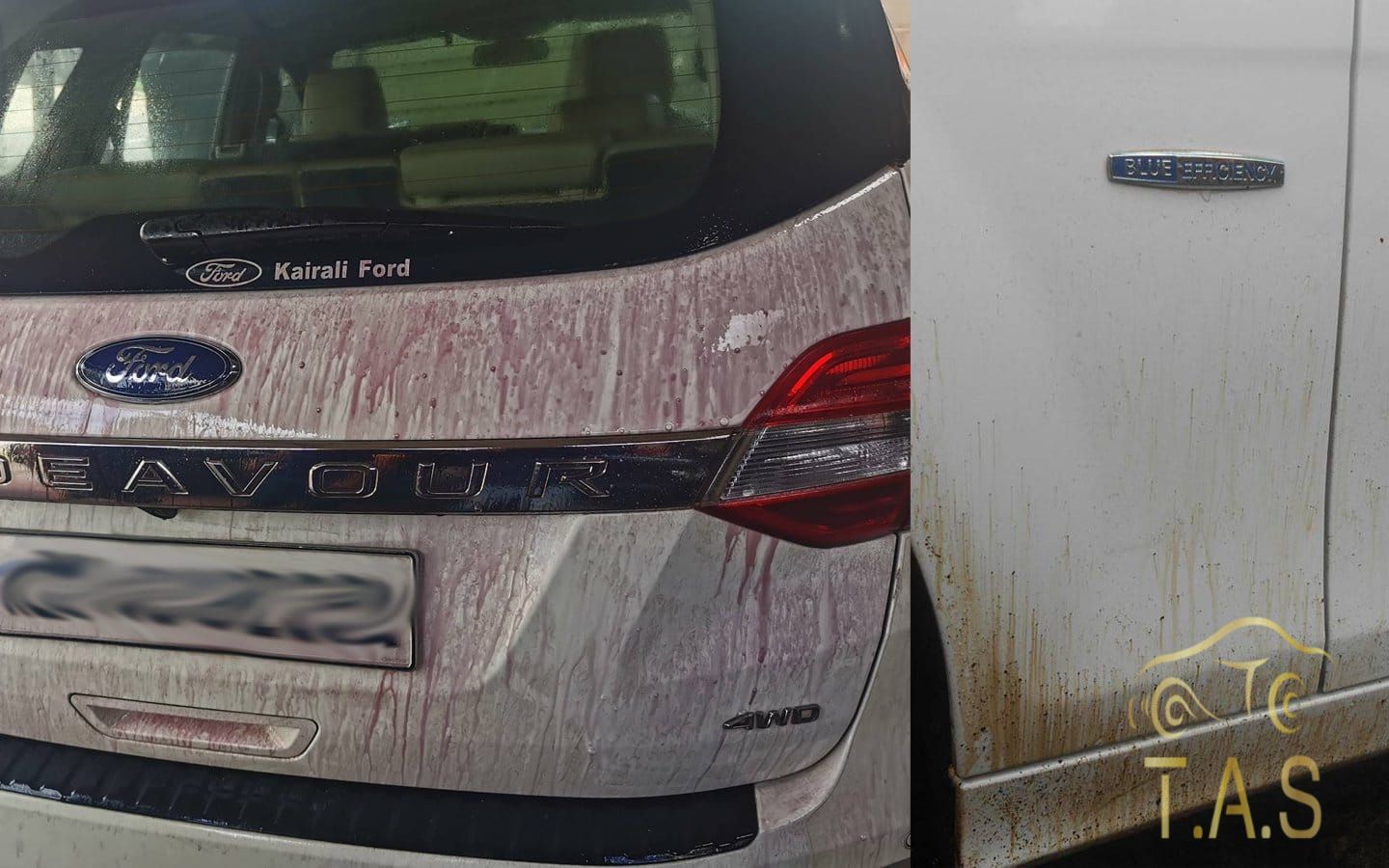
Decontamination & Tar Removal
Paint decontamination service that safely removes bonded contaminants before polishing, waxing, or coating.
Tailored Packages for Every Need
Full Decontamination
- Chemical decon
- Iron remover
- Clay bar
- Tar & bug removal
Note: Package details, features, pricing, and availability are subject to change. Please contact us directly to confirm the latest inclusions, pricing, and slot availability before booking.
Booking note: Prior booking is required for this service. Please contact us in advance to confirm availability and reserve a slot.
Popular Add-Ons
Complete Service Overview
Detailed Service Information
Why Washing Alone Is Not Enough
Many owners wash the car regularly and still feel the paint is rough to the touch, dull, or difficult to clean. That usually means bonded contamination is sitting on the surface even after shampooing. The most common offenders are road tar, brake dust fallout, bug residue, tree sap, overspray, and mineral deposits.
These contaminants do more than spoil the finish. They increase swirl risk during washing, stain the clear coat, and interfere with polishing or coating. If protection is applied over contamination, the finish and durability both suffer.
What This Service Removes
Our decontamination process is designed to safely remove:
- Tar spots from roads and fresh tarmac
- Iron fallout from brake dust and industrial contamination
- Bug splatter before it etches the paint
- Tree sap and sticky organic residue
- Light bonded contamination that makes paint feel rough
- Selected overspray and surface deposits where safe to remove
Why This Matters Before Polishing or Coating
Decontamination is one of the most important preparation stages in detailing. A contaminated surface cannot be polished cleanly and does not allow wax, sealant, or ceramic coating to bond properly. Removing bonded fallout first gives a smoother finish, reduces marring during correction, and improves the final result of any protection package.
What It Does Not Fix
If contamination has already etched the clear coat, decontamination will remove the foreign material but may not fully remove the mark underneath. In those cases paint polishing or restoration may still be required. Matte and satin finishes also need special handling because they cannot be corrected in the same way as gloss paint.
Iron Decontamination: Why Your Car Needs It
Iron fallout is a microscopic form of contamination that bonds permanently to the paint surface. It comes from brake dust generated by iron brake pads (a mixture of iron particles and friction material), metal particles from industrial areas, overspray from nearby manufacturing, and metallic debris from road wear. These invisible particles land on and bond chemically to your clear coat, making the paint feel rough like sandpaper even if it looks clean.
Over time, iron particles oxidize and rust on the paint surface, leaving permanent stains and pitting. This leads to permanent etching that no amount of washing can reverse. More importantly, iron fallout accelerates UV damage and weakens the clear coat's protection layer. Removing iron contamination chemically ensures a smooth, clean surface, prevents etching and rust damage, and restores the paint's natural smoothness and shine. After iron removal, the paint not only feels silky smooth but also regains its clarity and reflectivity.
Clay Bar Decontamination: The Final Polish
After chemical treatment, clay bar decontamination removes any remaining bonded contaminants and residual particles that chemical decontaminants alone cannot fully eliminate. Clay works through gentle mechanical friction—as you glide the soft clay bar over the paint, it lifts away embedded particles, old sealant layers, tree sap residue, industrial dust, and any leftover tar or brake dust. This gives the paint an exceptionally smooth, refined texture.
The result is dramatically visible—colors appear deeper and more vibrant, the shine becomes glass-like, and the paint feels incredibly smooth to touch. Claying is essential before any protection work (polishing, waxing, or coating) because it creates a perfectly clean, microscopic surface for these products to bond to. Without claying, protective products cannot adhere uniformly, leading to uneven protection and poor durability.
We Use Professional-Grade Products, Not Cheap Alternatives
Many local car wash services cut costs by using harsh chemicals, diesel, or low-quality tar removers that damage paint. We do not. Every decontamination step at TAS uses dedicated, paint-safe chemical formulations specifically engineered for automotive finishes. Our iron removers are professional-grade and engineered to dissolve iron particles without etching the clear coat. Our tar removers are engineered to break down tar bonds safely without stripping protective layers or causing swelling in the clear coat.
We never use diesel, kerosene, or any petroleum-based solvents that are common shortcuts in budget car washes. These harsh chemicals can strip protective sealants, cause permanent cloudiness, accelerate UV damage, and compromise the structural integrity of the clear coat. Using cheap alternatives to cut costs is false economy—it causes far greater long-term damage than the small savings provide. We invest in the right products because your paint's longevity and appearance matter more than cutting corners.
Warning: Avoid Diesel and Local "Quick Fixes" for Tar Removal
Many local car washes and roadside detailers recommend or use diesel spray to remove tar and add shine during or after washing. This is extremely harmful to your paint and should be avoided entirely. Diesel is a petroleum solvent that aggressively strips protective coatings, sealants, and wax layers, leaving your paint vulnerable to oxidation and UV damage. It can cause permanent hazing, cloudiness, and swelling in clear coat materials. Repeated exposure to diesel-based products degrades the structural integrity of your paint over months and years, requiring expensive restoration work later.
Additionally, diesel is not formulated for automotive paint—it's designed for industrial and fuel purposes. After the initial shine wears off (within days), the paint is left weaker and more prone to damage. Professional decontamination using paint-safe removers delivers long-lasting results without hidden costs. Always choose proper decontamination over quick local fixes that promise easy solutions but deliver lasting damage.
Common Cases We See
- Tar spots after highway driving or fresh roadwork
- Brake dust contamination on lower doors and rear panels
- Tree sap and bird droppings left too long on paint
- Rough paint before ceramic coating or waxing
- Pre-owned cars with neglected paint surfaces
Prevention Tips
- Remove bird droppings and tree sap as early as possible
- Do not allow wash water to dry repeatedly on hot paint
- Avoid rough rubbing on contaminated paint
- Use protective products so contaminants bond less aggressively
- Get the paint decontaminated before major detailing or coating work
Common Questions
How often should I decontaminate?
Every 6-12 months for daily-driven cars, and always before polishing, waxing, sealant, or ceramic coating work.
Is decontamination safe for my paint?
Yes, decontamination is completely safe for your paint when done properly. Our methods use industry-approved chemical treatments and clay bars that are designed specifically to remove bonded contaminants without damaging the clear coat. The process is gentler than compound polishing.
What's the difference between decontamination and washing?
Regular washing removes loose dirt and dust, but cannot remove bonded contaminants like tar, iron fallout, and tree sap that have stuck to the paint. These bonded impurities make the paint rough and can only be removed through chemical decontamination or clay bar treatment.
Can I decontaminate before ceramic coating?
Yes, decontamination is essential before any ceramic coating application. A contaminated surface prevents the coating from bonding properly, which reduces durability and protection. We always recommend decontamination as a preparation step before coating installation.
Will decontamination remove all paint imperfections?
Decontamination removes bonded contaminants but will not fix etches, swirl marks, or scratches that are already in the clear coat. For those issues, paint correction or polishing may be needed. Decontamination is a prep step that makes the surface clean and ready for protection or correction.
How long does the decontamination process take?
A full decontamination service typically takes 3-4 hours, depending on the vehicle's condition and paint surface area. This includes chemical treatment, iron remover, clay bar application, and tar/bug removal.
Is clay bar necessary, or can I skip it?
Clay bar treatment is highly recommended as a final step. It removes micro-contaminants that chemical treatments may have loosened and provides a perfectly smooth surface. Skipping this step leaves residual contamination and defeats the purpose of thorough decontamination.
What happens if I don't decontaminate before applying a protective product?
Applying wax, sealant, or ceramic coating over contaminated paint results in poor bonding and reduced protection. Contaminants create a barrier that prevents the product from adhering properly, shortening its lifespan and compromising durability. The contamination trapped underneath can also cause etching over time.
Related Services
Ready to Protect Your Car?
Get a personalized quote and expert advice for decontamination & tar removal.