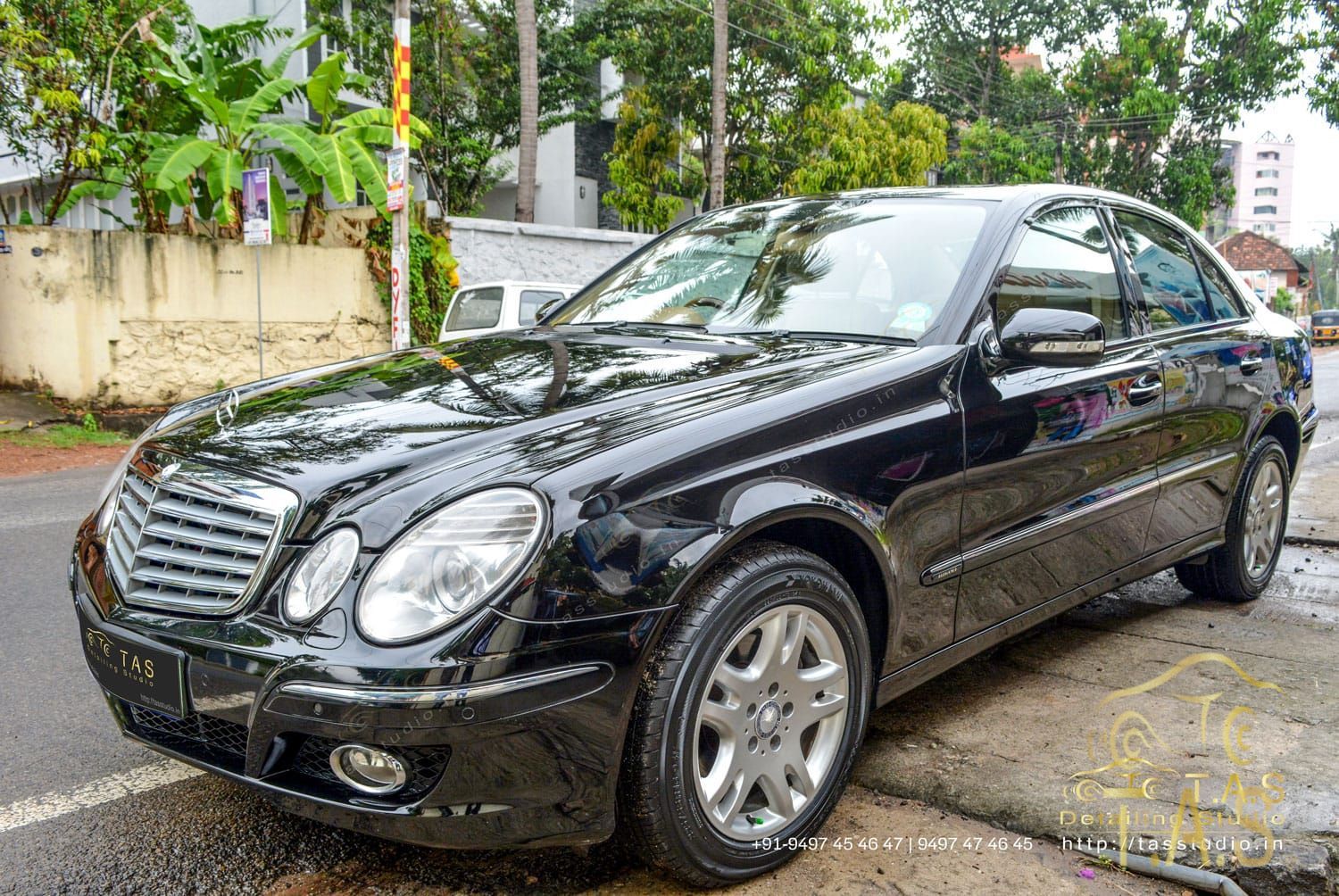
Paint Gloss Restoration
Paint correction and gloss restoration for cars with swirls, haze, scratches, and faded finish.
Tailored Packages for Every Need
Quick Glow
- Single-step gloss restoration
- Light swirl reduction
- Free final sealant or wax
Multi-Stage Detailing
- Detailed wash, decontamination, and clay
- Cutting, polishing, and finishing stages
- Free final sealant or wax
Note: Package details, features, pricing, and availability are subject to change. Please contact us directly to confirm the latest inclusions, pricing, and slot availability before booking.
Booking note: Prior booking is required for this service. Please contact us in advance to confirm availability and reserve a slot.
Popular Add-Ons
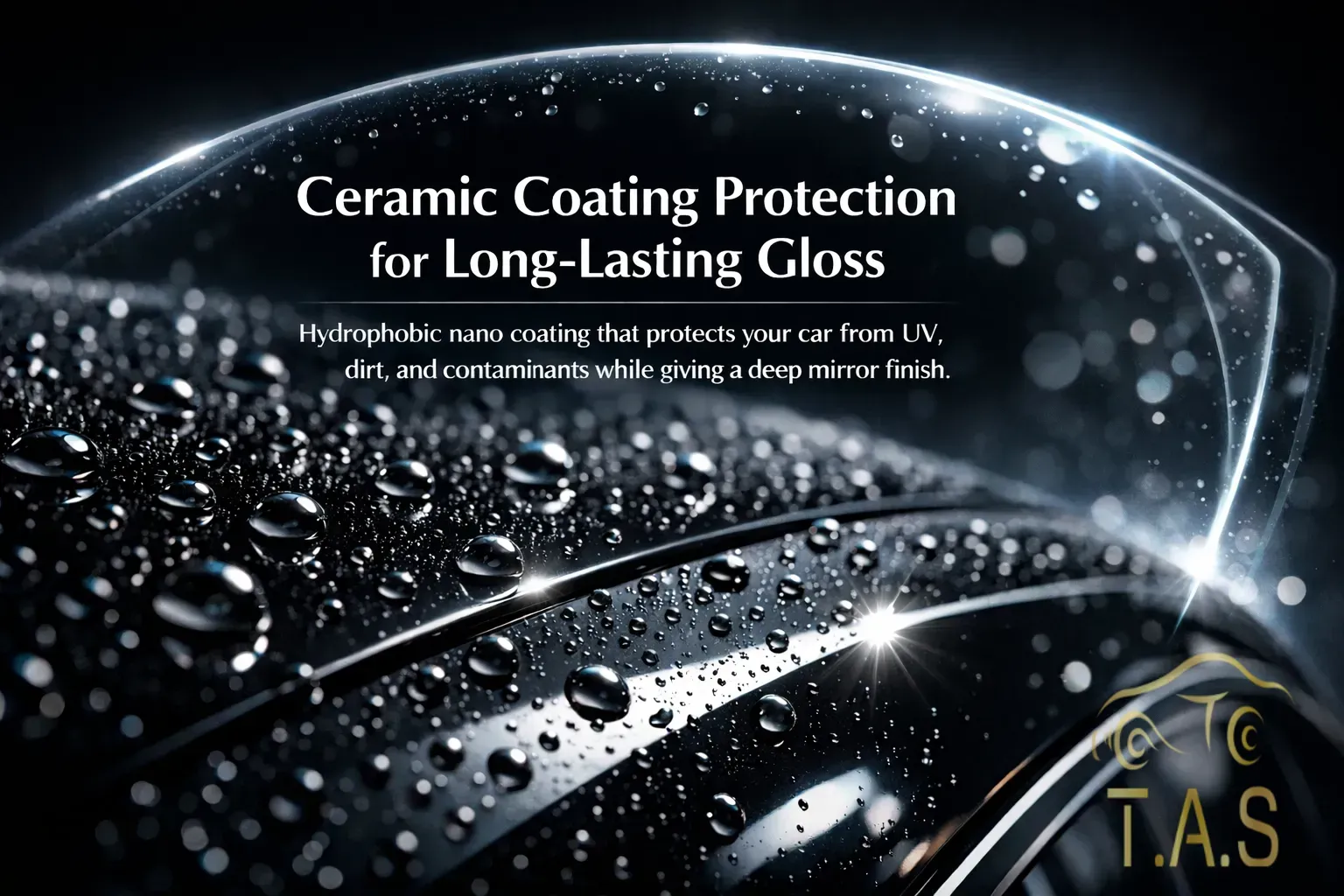
Ceramic Coating
Professional ceramic paint protection for cars. Four tiers from up to 1 year to 9 years — self-healing available at the flagship tier.
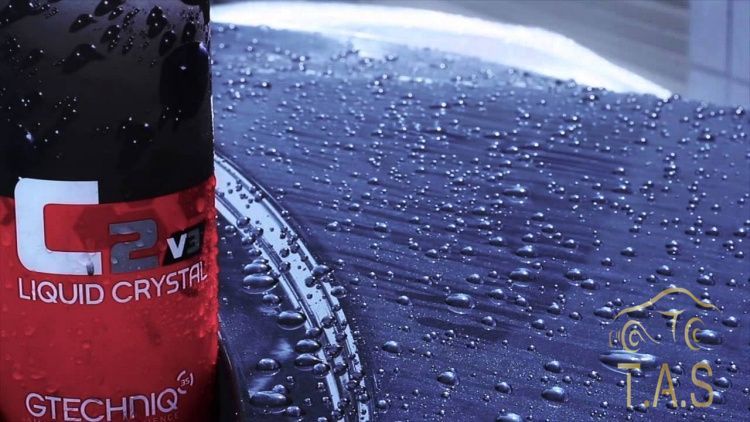
Nano Sealant Protection
Fast, budget-friendly paint protection with better gloss and water behavior than wax.
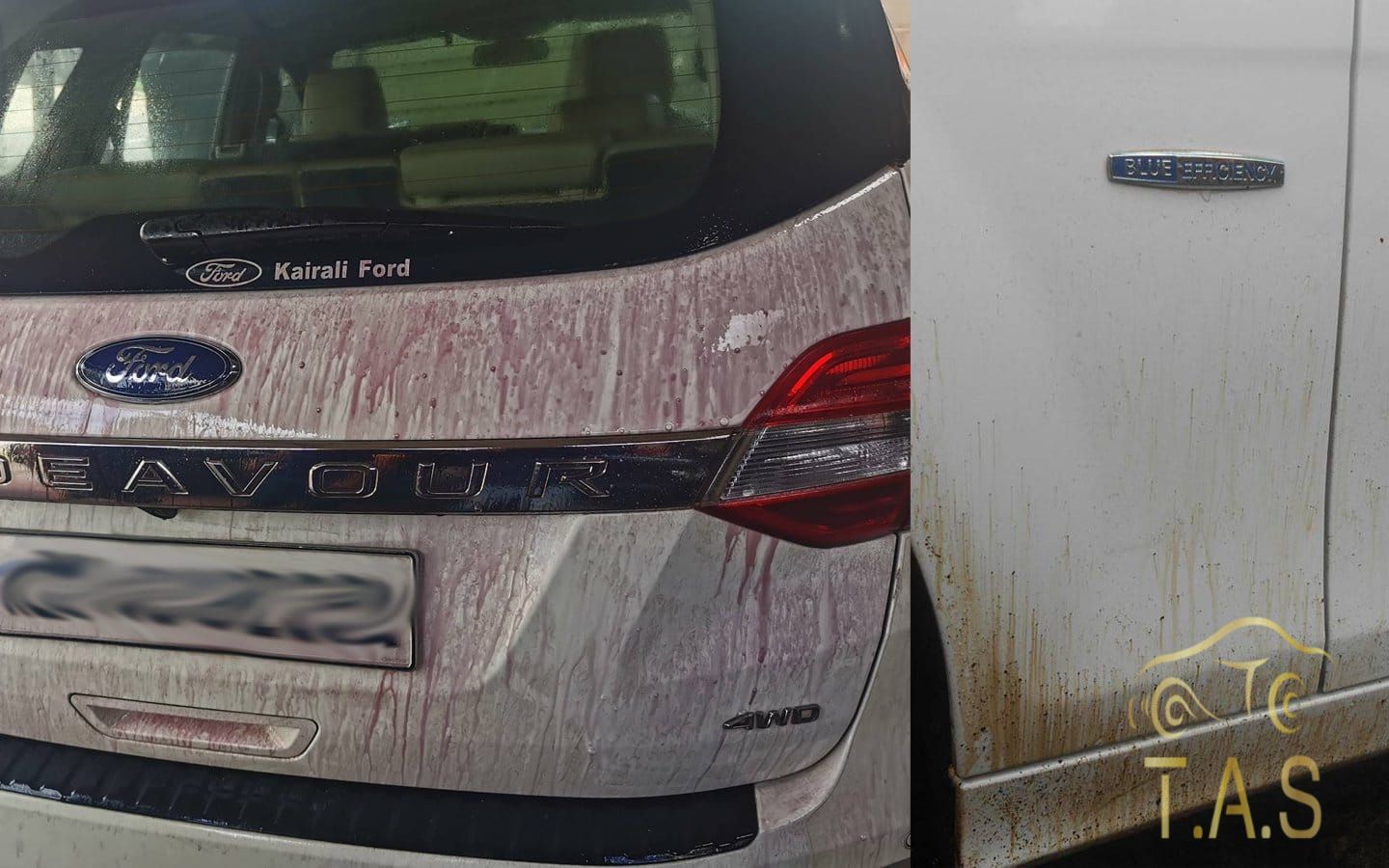
Decontamination & Tar Removal
Remove bonded tar, iron fallout, bug residue, sap, and rough contamination from paint.
Complete Service Overview
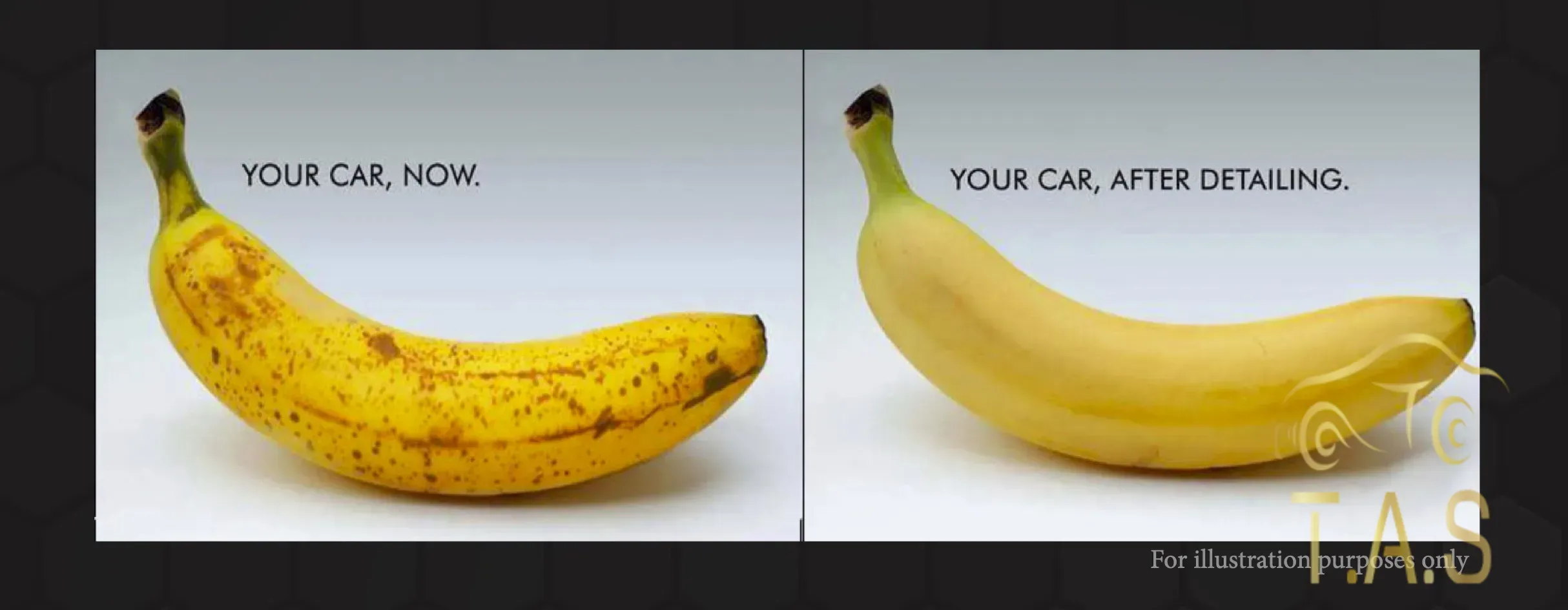
What Paint Correction Actually Is
Paint correction is a controlled abrasion process that removes defects from the clear coat surface — swirl marks, scratches, water spot etching, and oxidation — by leveling the surface with machine polishing compounds. It does not add anything to the paint. It physically removes the damaged top layer of clear coat to reveal the undamaged material underneath, restoring the mirror-like reflective quality that makes paint look deep and glossy.
The key difference from a regular polish or wax is permanence. Waxes and sealants fill scratches temporarily, hiding defects until they wash away. Correction removes the scratches entirely. The results are permanent — protected properly with a ceramic or graphene coating after correction, a correctly treated car can maintain its finish for years.
Common Paint Defects
What owners usually notice before asking for paint correction.
Swirl Marks
Wash-induced circular scratches that flatten gloss in sunlight.
Water Spots
Mineral deposits and etching from hard water and monsoon drying.
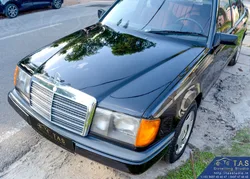
Fading
UV oxidation and neglected paint that starts looking hazy and chalky.
Why Indian Cars Develop Paint Defects Faster
The most common cause of swirl marks in India is improper washing — automated car washes with spinning brushes, wiping a dusty car with a dry cloth, and using dirty wash mitts drag abrasive particles across the clear coat with every pass. Most cars driven in Indian cities develop visible swirl marks within 2-3 years.
Kerala’s intense tropical sun adds UV oxidation to the equation. Clear coat exposed to high UV intensity without protection breaks down progressively — the surface loses reflectivity and begins to look chalky or hazy. Cars parked outdoors in the Trivandrum sun degrade noticeably faster than garage-kept vehicles, and paint that has never been ceramic coated is especially vulnerable.
Single Stage vs Multi-Stage Correction
Quick Glow is our single-step polish for cars that mainly need a fast gloss boost. It takes around 3-4 hours and is meant to quickly restore shine on paint that has light dullness and limited wash marks. It improves appearance well for the time involved, but correction is limited and it is not the package for deep defects or a full reset of neglected paint.
Multi-Stage Detailing is the detailed, time-intensive option for cars that need proper restoration work. The process starts with a very detailed wash that includes cleaning watermarks, stains, and dirt from door jambs, trims, badges, logos, and alloys, followed by decontamination and clay. We then carry out multiple polishing stages — cutting, polishing, and finishing — across almost every painted area we can reach, including the body, alloys, inside the doors, and painted areas under the front bonnet. This is the right choice for older cars, heavily swirled paint, fading, oxidation, and any vehicle that is being prepared for a coating.
Why Paint Correction Must Be Followed by Protection
Quick Glow and Multi-Stage Detailing both come with a free final sealant or wax to finish the job properly. That gives the restored paint a cleaner, richer look and some short-term protection right away.
For customers who want longer-term protection, we can apply ceramic, graphene, or borophene coating after Multi-Stage Detailing. Old cars should not be coated without this preparation, because coating will lock in whatever condition the paint is in at the time of application. That is why the correct order is simple: perfection first, then protection.
Who Should Get This Service
- Cars with visible swirl marks in sunlight
- Dark-colored cars that look dull or hazy
- Older vehicles with oxidation but still salvageable original paint
- Owners planning ceramic, graphene, or borophene coating
- Customers preparing the car for sale or enthusiast use
Paint Gloss Restoration Gallery
Common Questions
What are swirl marks and how do they appear?
Swirl marks are fine circular scratches in the clear coat, most visible in direct sunlight or artificial light where they appear as a web-like pattern across the paint. They are caused by improper washing — automated car washes with spinning brushes, wiping a dusty car with a dry cloth, and using dirty wash mitts are the most common causes. In India, most cars develop visible swirl marks within 2-3 years of ownership due to the widespread use of automated car washes and dry wiping practices.
Why does paint look dull even on a relatively new car?
Paint dullness usually comes from one of three sources: swirl marks and micro-scratches in the clear coat scattering light rather than reflecting it cleanly; oxidation from UV exposure that degrades the clear coat surface over time; or a buildup of bonded contamination — iron fallout, traffic film, and mineral deposits — that sits on the paint and reduces reflectivity. Kerala's intense tropical sun accelerates UV oxidation faster than most climates. A car parked outdoors in Trivandrum will show visible paint fading and dullness faster than the same car kept in a garage.
Can I fix swirls and dullness myself with a DA polisher?
A dual-action polisher can remove light swirls with the right compound and pad combination. However, incorrect technique, wrong product selection, or excessive cutting can thin the clear coat, create holograms, or produce uneven results that look worse than the original swirls. Paint thickness varies across panels and at edges, and professional correction involves paint depth measurement to ensure safe material removal. For deep correction or full swirl removal, professional machine polishing with proper equipment and technique delivers consistently better and safer results.
How do I know if I need single stage or multi-stage correction?
Single stage correction handles light to moderate swirls, light scratches, and minor oxidation — the kind of damage that accumulates on a well-maintained car over 2-5 years. It removes 60-80% of surface defects. Multi-stage correction uses a more aggressive cutting compound first, then refining polishes, and can remove 90-100% of surface defects. It is needed for heavily scratched paint, significant oxidation or fading, deep swirl marks, repainted panels with orange peel, or cars that have not been properly maintained for many years. We assess paint condition and recommend the appropriate level at inspection.
Will paint correction thin my clear coat — is it safe to do repeatedly?
Paint correction removes a small amount of clear coat by abrasion — typically 2-5 microns per correction session. Factory clear coats are usually 40-60 microns thick. A single correction is well within safe limits. Repeated aggressive corrections over many years can eventually thin the clear coat to a point where it becomes risky, which is why we measure paint thickness before correction and recommend coating the paint after correction to protect it and reduce the need for future aggressive correction cycles.
What should I do after paint correction to protect the results?
Paint correction results are permanent — the scratches removed do not return. But unprotected corrected paint is exposed to the same UV, contamination, and mechanical damage that created the defects in the first place. Applying ceramic or graphene coating immediately after correction preserves the result, protects the clear coat from further degradation, and makes the car significantly easier to maintain. Correction followed by coating is the standard combination at TAS — most customers do both together.
Will the scratches come back after paint correction?
The scratches and swirl marks removed during paint correction do not come back on their own. This is a permanent removal process, not a temporary filler or masking treatment. However, improper washing, dry wiping, dirty cloths, hard water drying, and poor maintenance can create new scratches and watermarks over time. So the corrected defects will not reappear, but new damage can still be introduced if the car is not washed and maintained properly.
Is there any warranty or guarantee for paint correction?
No. Paint correction is a defect removal process, not a coating or film with a warranty period. Once the work is completed, the finish depends heavily on how the car is washed and maintained afterward. If the vehicle is not cared for properly, new scratches, swirl marks, and watermarks can develop, and we cannot offer a warranty or guarantee against that. Proper wash technique and aftercare are what preserve the result.
Can all scratches be removed fully?
No. Light swirl marks, wash marks, and surface-level scratches can often be removed very well, but deeper scratches may only improve and not disappear fully. If the damage has gone too deep into the clear coat or beyond it, complete removal may not be safely possible. We assess the defect depth before recommending the right level of correction.
How long will the gloss improvement last?
The improvement itself is permanent because the defects removed do not come back on their own. But how long the finish stays sharp depends on washing habits, parking conditions, maintenance, and whether the car is protected with sealant, wax, or a coating afterward. Proper care keeps the finish looking better for much longer.
How do I know whether my car needs Quick Glow or Multi-Stage Detailing?
Quick Glow is for cars that mainly need a faster gloss improvement with limited correction. It suits paint with mild dullness and lighter wash marks. Multi-Stage Detailing is for cars with heavier swirls, watermarks, oxidation, fading, older neglected paint, or when you want the surface properly prepared before ceramic, graphene, or borophene coating. We inspect the paint and advise which option makes sense.
Will paint correction remove watermarks and stains completely?
Light to moderate watermarks and surface staining can usually be removed or improved significantly. But deep etched watermarks may not go away 100% if they have already damaged the paint too much. In such cases, we aim for the safest and best possible improvement rather than over-cutting the paint.
Can you do this only on selected panels?
Yes. If only the bonnet, roof, boot, or a few panels are affected, we can do correction on selected areas after inspection. But if the paint condition is uneven across the car, a full correction package usually gives a more consistent final result.
Can heavily oxidized, sun-faded paint be fully restored without repainting?
It depends on how deep the oxidation has penetrated. Surface oxidation in the clear coat can be polished out with aggressive compound work, often achieving a dramatic improvement. When oxidation has eaten through the clear coat entirely and begun affecting the base color coat, paint correction cannot fix it — the surface will look uneven and the color will not recover fully. Repainting of those panels is the only option in that case. We will tell you honestly at inspection which situation applies to your car.
Does paint correction improve a car's resale value?
Significantly, yes. Paint condition is one of the first things any knowledgeable buyer or dealer evaluates on a second-hand car. A car with dull, swirl-marked paint gets lowball offers. A car with corrected, well-maintained paint commands a better price and sells faster. For mid-range to premium vehicles, the resale value improvement from correction often exceeds the cost of the service — especially when paired with a ceramic coating that maintains the result through to the point of sale.
Related Services

Trivandrum Local Guide
Looking for Paint Correction in Trivandrum?
Our dedicated local page has pricing, FAQs, and location details for Trivandrum customers.
Ready to Protect Your Car?
Get a personalized quote and expert advice for paint gloss restoration.