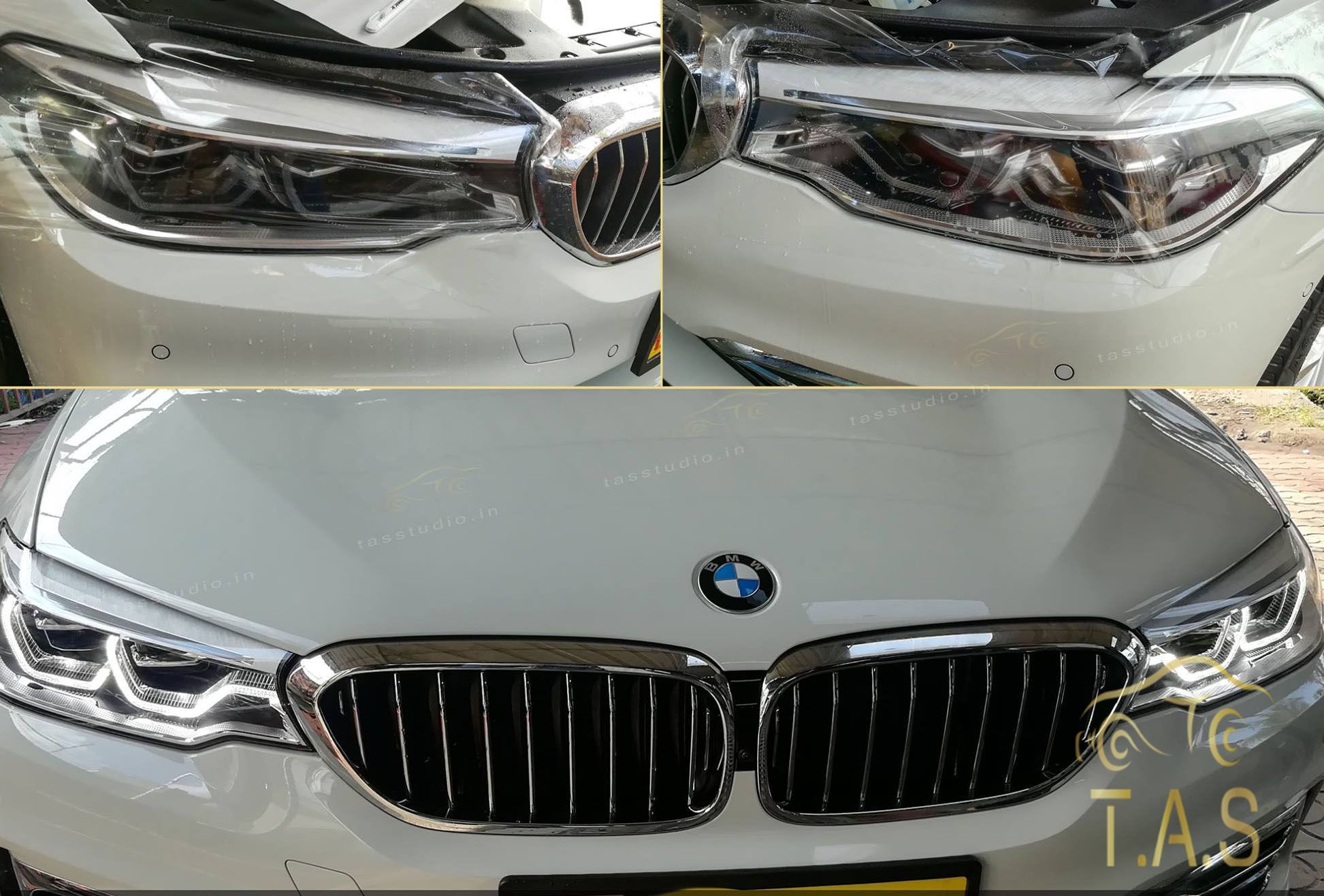
Headlight Protection Film
Headlight PPF for owners who want to prevent lens damage and expensive headlight replacement later.
Tailored Packages for Every Need
Headlight PPF
- Both headlights
- Self-healing film
- 5 year warranty
Note: Package details, features, pricing, and availability are subject to change. Please contact us directly to confirm the latest inclusions, pricing, and slot availability before booking.
Booking note: Prior booking is required for this service. Please contact us in advance to confirm availability and reserve a slot.
Popular Add-Ons
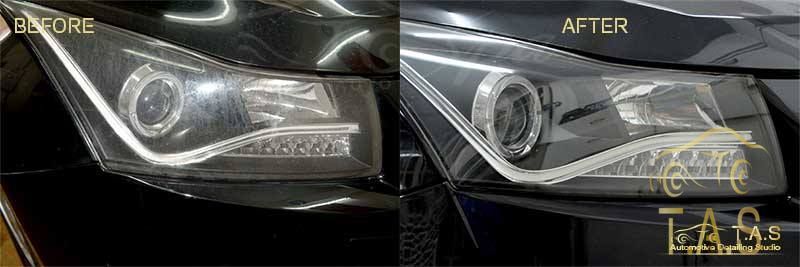
Headlight Restoration
Restore yellowed, cloudy headlights for better beam clarity, appearance, and safety.
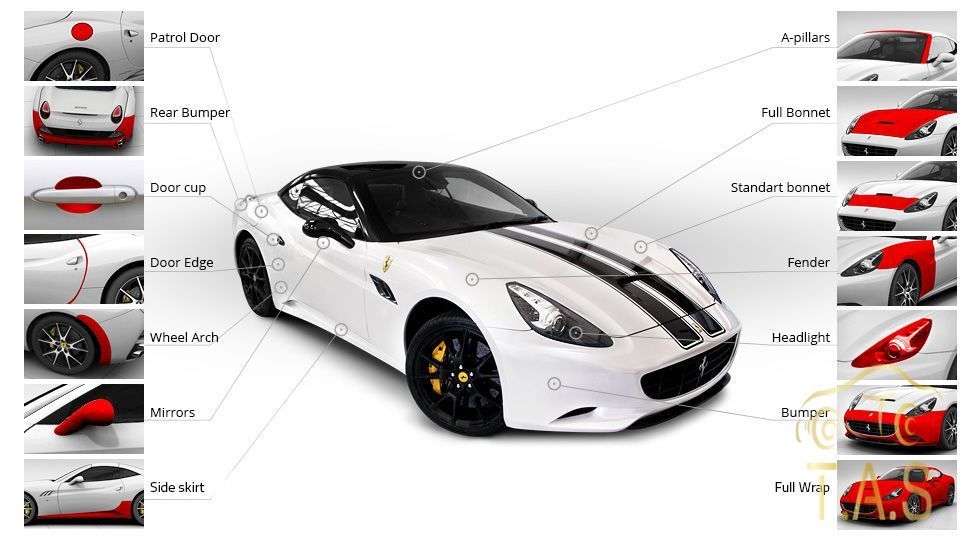
Scratch Protection Essential
Targeted PPF package for the most scratch-prone areas on daily-driven cars.
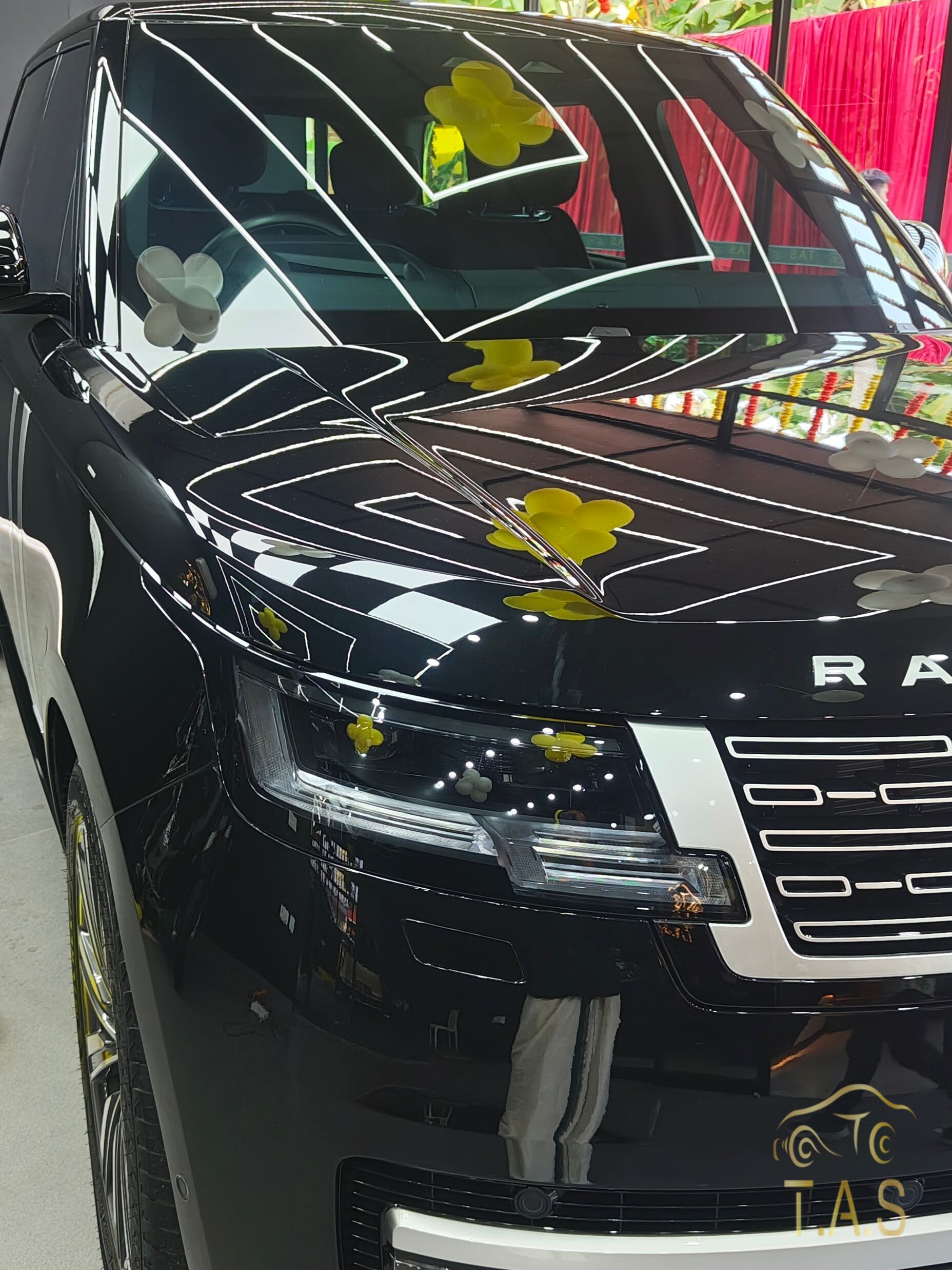
Self-Healing PPF
Premium film protection against stone chips, scratches, and road-impact damage on high-value paint.
Complete Service Overview
The Real Cost of Headlight Damage
Modern car headlights are not the simple sealed-beam units of older vehicles. Today's headlights are complex assemblies integrating projector lenses, LED or xenon bulbs, DRL strips, and in newer cars, adaptive turning lights and ADAS sensors. When a highway stone chip cracks the lens or causes progressive pitting severe enough to require replacement, the cost is substantial — often ₹20,000–₹80,000 for a mid-range car, and potentially much more for a premium vehicle. Insurance typically does not cover gradual stone chip damage unless there is a specific incident claim.
On Kerala and Indian highways, stone chip exposure is a constant reality. Trucks and commercial vehicles kick up stones and gravel at high velocity. NH66, NH44, and many state highways — particularly after road repairs and during monsoon season when loose material is common — expose every vehicle behind them to debris impact. Headlights, sitting at the front corners of the car, are directly in the path of this debris.
Prevention vs Restoration
There are two stages of headlight care: protection before damage occurs and restoration after damage has already happened. PPF belongs in the prevention stage — applied to new or lightly used headlights, it acts as a permanent sacrificial layer that absorbs stone chip impacts, UV radiation, and road spray, keeping the polycarbonate lens beneath in near-factory condition.
Applying PPF to new headlights from day one — even before the first highway drive — is the most effective approach. Once stone chip pitting has accumulated across a lens surface, it cannot be reversed by PPF and restoration becomes necessary first. The sequence should be: restore if needed, then protect with PPF to prevent the cycle from repeating.
What the Film Does
The 150-micron clear film bonds to the headlight lens surface with a pressure-sensitive adhesive. It is thick enough to absorb stone chip impact energy before it reaches the polycarbonate, UV-blocking enough to prevent the oxidation and yellowing that degrades unprotected lenses in Kerala's sun, and optically clear enough to be invisible from outside the car.
The film also has a self-healing top coat — light surface scratches from brush contact or fine road spray reduce when warmed by sunlight, keeping the film looking clear over its service life. Installation takes 1-2 hours for both headlights and carries a 5-year manufacturer warranty against yellowing, bubbling, and delamination.
Headlight Protection Film Gallery
Common Questions
How expensive is headlight replacement on modern cars?
It varies significantly by vehicle. On entry-level cars, a replacement headlight assembly costs ₹4,000–₹10,000. On mid-range cars with projector units and DRL strips, replacement runs ₹15,000–₹40,000 per side. On premium European vehicles with adaptive LED or laser headlights, a single headlight replacement can exceed ₹80,000–₹1,50,000. Insurance typically does not cover gradual stone chip damage. Headlight PPF at ₹3,500 for both headlights is protection that pays for itself the first time it absorbs a highway chip.
When is the right time to apply headlight PPF — new car or older car?
New cars are the ideal time — the headlight lenses are in perfect condition, and PPF applied to pristine lenses results in invisible protection with zero visible defects underneath. On older cars, deep stone chip pitting or existing UV yellowing may show through the clear film and the adhesion may be less consistent on degraded polycarbonate. If your headlights have visible damage, a headlight restoration service first will prepare the surface for optimal PPF adhesion. We assess condition at every fitting and advise accordingly.
Does headlight PPF affect the brightness or beam pattern of the lights?
No. The film is optically clear with high light transmission — it does not reduce light output or alter the beam pattern in any meaningful way. High-quality headlight PPF is designed specifically to maintain optical clarity without introducing haze, rainbow effects, or diffusion. The film is essentially invisible from outside the car once installed correctly.
How does headlight PPF protect against yellowing as well as chips?
The PPF film acts as a UV barrier over the polycarbonate lens, blocking the UV radiation that causes oxidation and yellowing. Without protection, Kerala's intense tropical sun attacks the bare polycarbonate surface once the factory UV coating wears off — typically within 2-4 years. The film prevents this by keeping UV from reaching the polycarbonate. Combined with the physical chip protection, headlight PPF addresses both the most common causes of headlight degradation simultaneously.
How is headlight PPF different from headlight restoration?
Restoration is the cure — it removes existing yellowing and surface damage from a degraded headlight. PPF is the prevention — it stops the damage from happening in the first place. The best approach depends on your headlights' current condition. New or lightly damaged headlights benefit most from PPF applied immediately. Headlights that are already yellowed or pitted need restoration first, then PPF applied over the freshly polished lens to prevent re-oxidation and future chip damage. We offer both as a combined service.
How long does headlight PPF last?
Quality headlight PPF carries a 5-year manufacturer's warranty against yellowing, bubbling, and delamination. With proper care, the film typically lasts 5-7 years before it needs replacement. The film can be removed and replaced without damaging the headlight lens — making it a long-term, renewable protection solution rather than a one-time treatment.
Can the film be removed if I need to replace the headlight assembly?
Yes. The film is removable by a professional installer without damaging the headlight housing or lens. If the headlight assembly needs replacement for any reason — accident damage, bulb housing failure, or internal condensation — the PPF is simply peeled off before the unit is removed and new PPF applied to the replacement assembly.
Related Services
Ready to Protect Your Car?
Get a personalized quote and expert advice for headlight protection film.