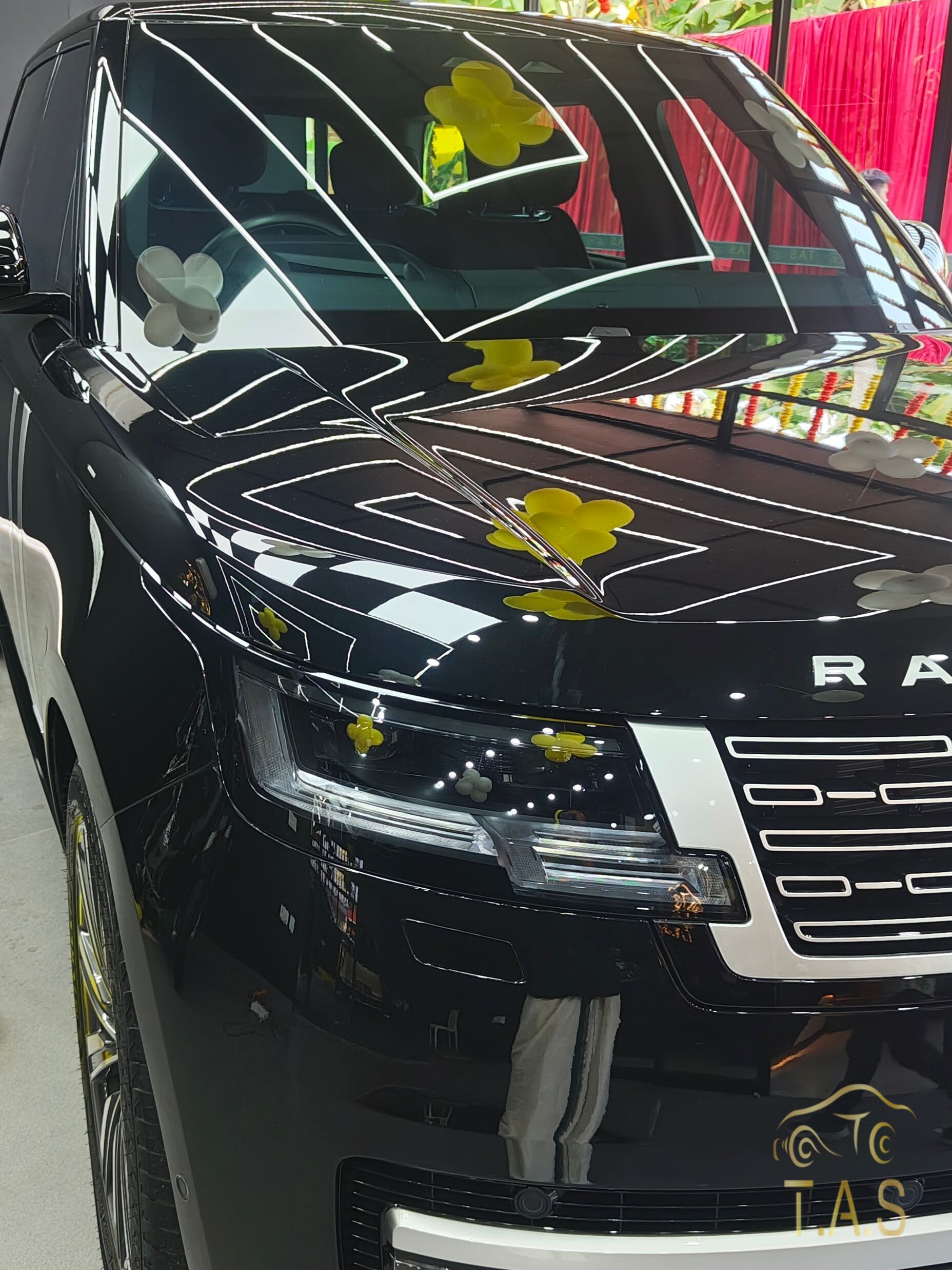
Self-Healing PPF
Self-healing PPF for owners who want physical paint protection that coatings alone cannot provide.
Tailored Packages for Every Need
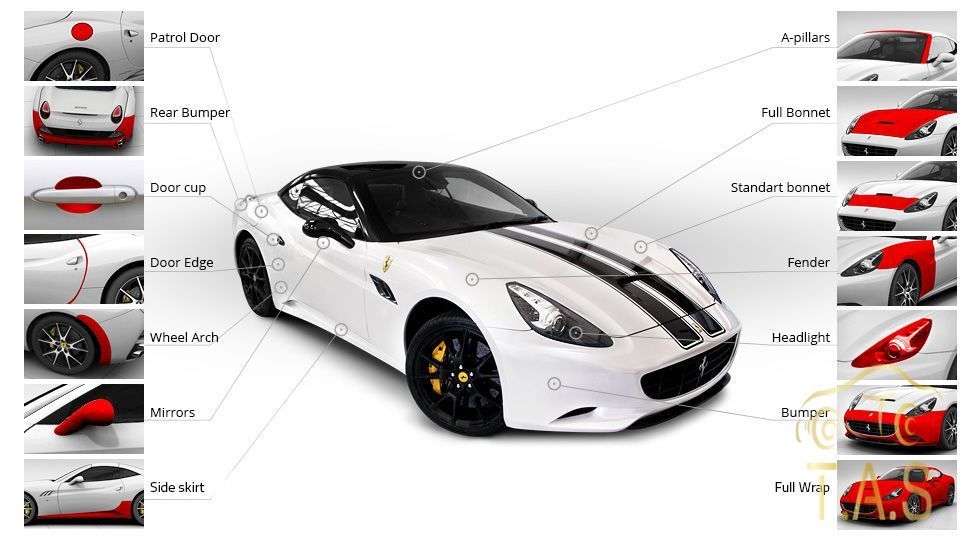
Front End
- Hood, bumper, fenders
- Headlight protection
- 5 year warranty
Full Front
- Complete front end
- A-pillars
- Door handles
- 7 year warranty
Full Body
- Complete vehicle
- All panels
- 10 year warranty
- Ceramic top coat
Note: Package details, features, pricing, and availability are subject to change. Please contact us directly to confirm the latest inclusions, pricing, and slot availability before booking.
Booking note: Prior booking is required for this service. Please contact us in advance to confirm availability and reserve a slot.
Popular Add-Ons
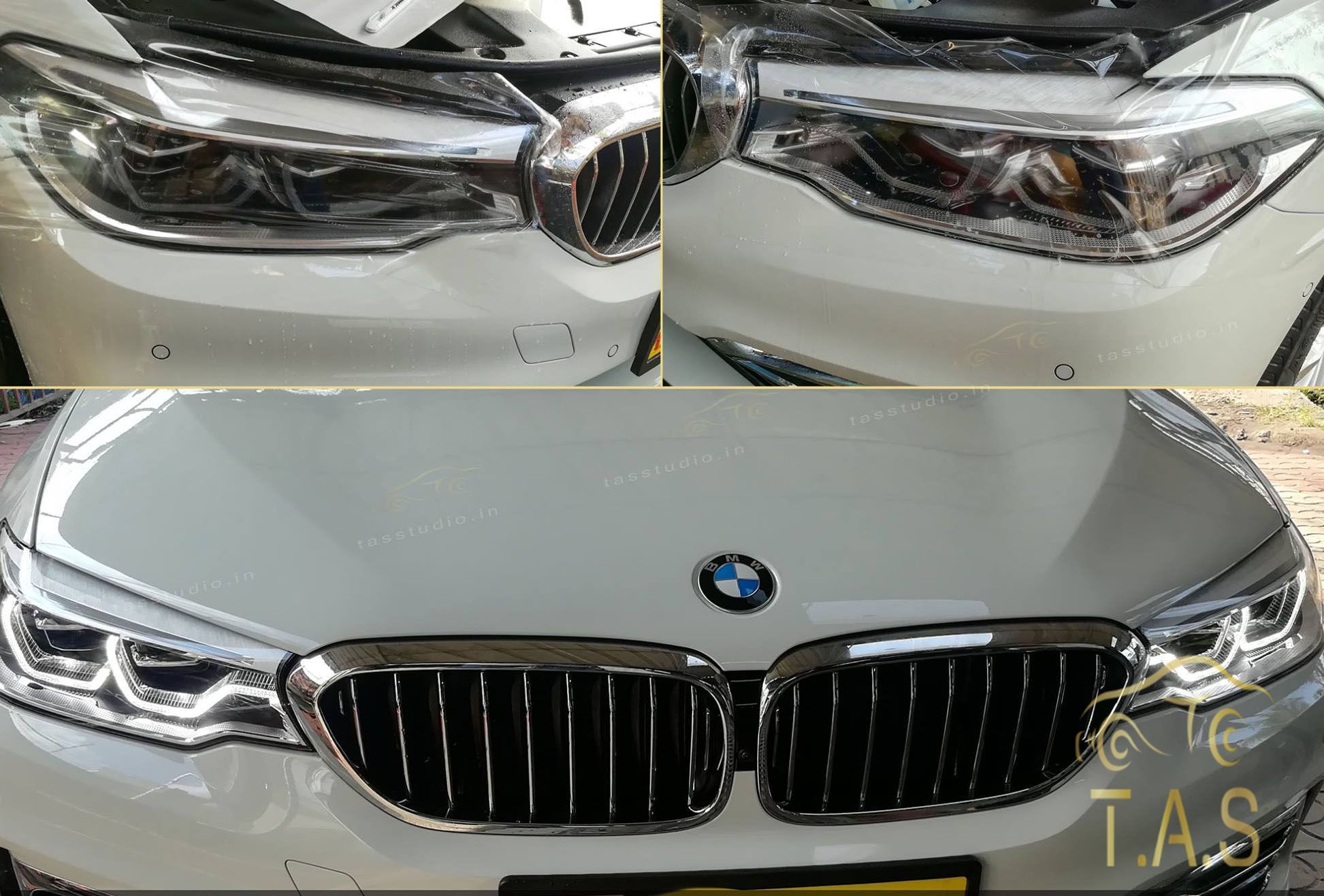
Headlight Protection Film
Clear protective film for headlights against stone chips, pitting, and UV yellowing.
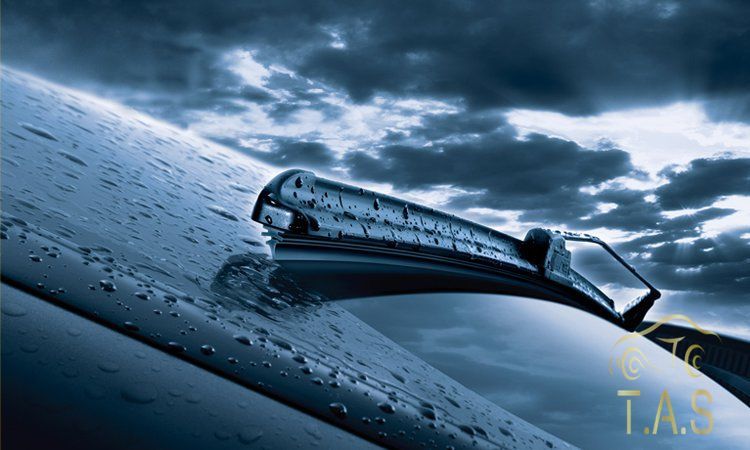
Windscreen Hydrophobic Coating
Advanced hydrophobic coating for crystal-clear visibility in rain, day and night.
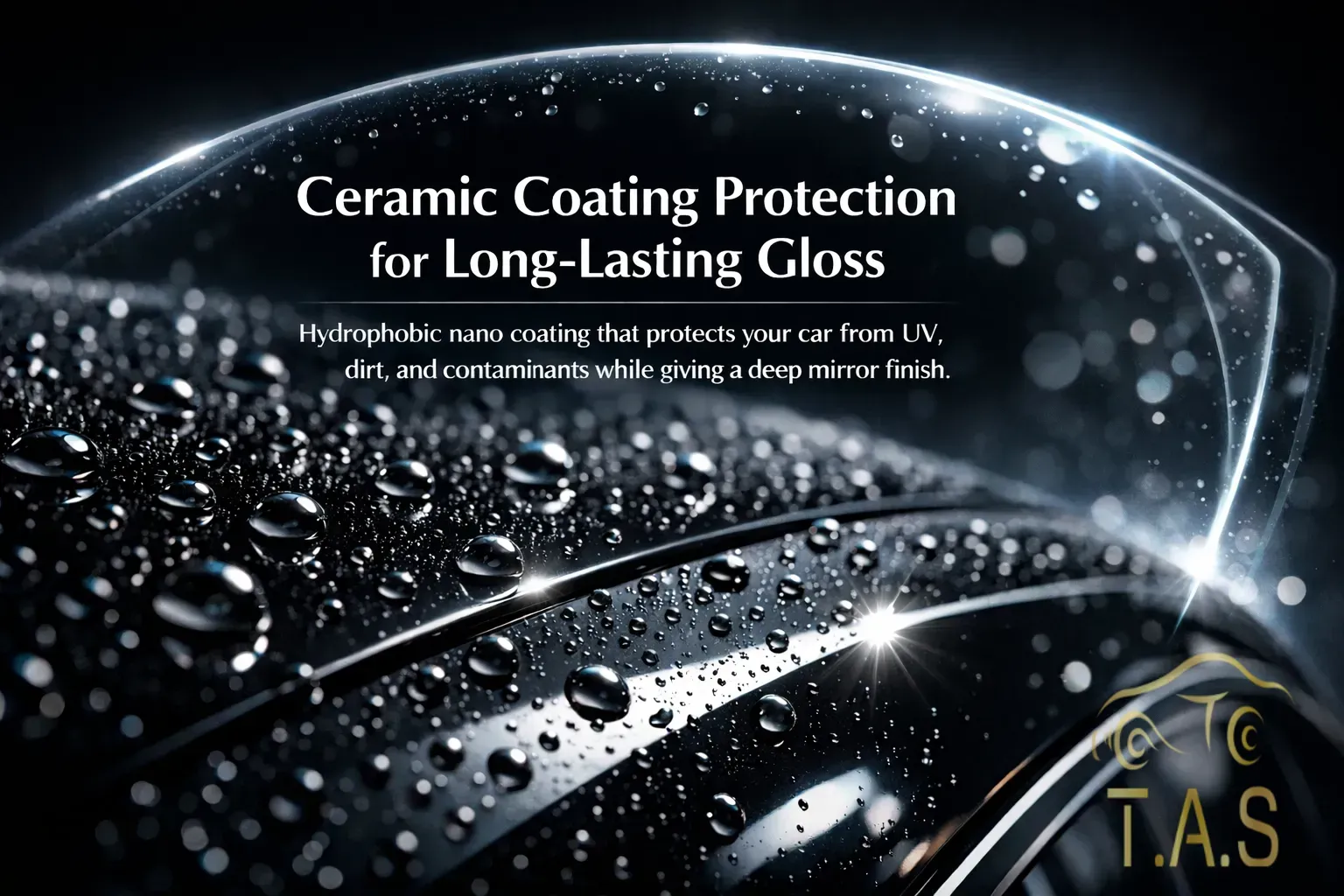
Ceramic Coating
Professional ceramic paint protection for cars. Four tiers from up to 1 year to 9 years — self-healing available at the flagship tier.
Complete Service Overview
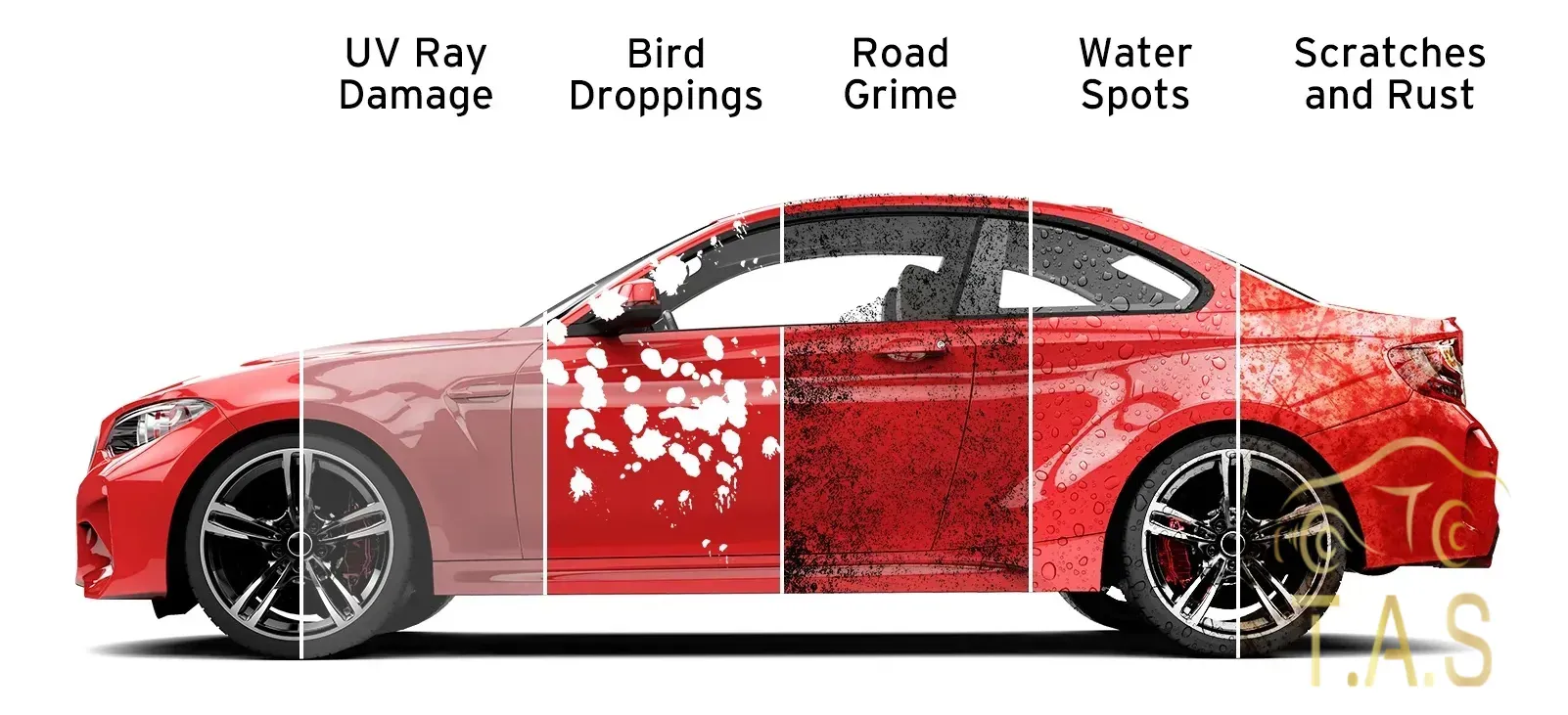
Why Indian Roads Make PPF a Practical Necessity
Stone chips are the most common and most expensive form of paint damage on Indian cars. On any national highway — NH66 along Kerala’s coast, NH44 through the interior, or state highways during and after monsoon — trucks and heavy vehicles throw stones and road debris backward at high velocity. At 80 km/h, even small gravel hits with enough force to chip paint, expose metal, and begin the rusting process. A single highway drive on a newly resurfaced road can leave dozens of chips across the bonnet and bumper.
PPF is the only protection product that physically absorbs these impacts. Ceramic and graphene coatings provide chemical protection — UV resistance, hydrophobic properties, chemical resistance — but they are thin layers of 2-5 microns that offer no meaningful barrier against stone chip impact. PPF is 180 microns thick, flexible, and absorbs impact energy that would otherwise reach the paint.
What Self-Healing Actually Means
The top coat of PPF is an elastomeric polymer — a material with elastic memory that returns to its original shape when activated by heat. Light surface scratches from car wash contact, cloth wiping, or minor abrasion can reduce or disappear when the film surface is warmed by sunlight or warm water, because the polymer literally flows back into place.
Self-healing applies only to fine surface marks on the film’s top coat. It does not repair deep scratches, gouges, impact damage that has broken through the film, or damage to the underlying paint. Think of it as an ongoing swirl-management property that keeps the film looking clean over its lifetime — not a repair function for serious damage.
The Most Vulnerable Panels
The front of the car takes the vast majority of stone chip and debris impact. The bonnet, front bumper, and front fenders collectively catch around 80% of all highway debris damage. A-pillars catch road spray and chips at highway speed. Door handles are high-frequency scratch zones from loading passengers and luggage.
This is why our Full Front package — covering the bonnet, bumper, fenders, A-pillars, and door handles — is the most popular choice. It addresses the highest-risk zones for about 60-70% of the cost of a full body application, making it the most economical way to protect the paint that matters most.
PPF and Ceramic Coating Together
PPF and ceramic coating are complementary, not competing. PPF provides physical impact protection on specific panels. Ceramic coating provides chemical protection, UV resistance, and hydrophobic properties across the entire car. Many customers apply PPF to the high-impact front panels and then apply ceramic coating over the whole vehicle, including over the PPF, for comprehensive protection from both impact damage and environmental degradation.
PPF Brands We Install
At TAS Detailing Studio we work with three proven PPF brands, each suited to different needs and budgets:
LLumar PPF
LLumar is a global leader in window and paint protection films, manufactured by Eastman Chemical Company. Their PPF range offers excellent optical clarity, superior self-healing performance, and strong hydrophobic properties. LLumar PPF is our go-to recommendation for customers wanting international-brand assurance with long-term durability.
Garware PPF
Garware Hi-Tech Films is India's leading PPF manufacturer — making it a smart choice for customers who want quality film at a more accessible price point. Garware PPF provides solid scratch and chip protection, good UV resistance, and is backed by a manufacturer's warranty. An excellent option for mid-range budgets without compromising on core protection.
Onyx PPF
Onyx offers a mid-range self-healing PPF with strong all-round performance — a reliable choice for customers looking for a balance between LLumar's premium and Garware's value positioning. Good clarity, self-healing properties, and suitable for partial or full-body applications.
Do Not Choose PPF on Price Alone
One of the biggest mistakes buyers make is choosing PPF based only on the lowest price. Always look for good-quality TPU PPF, or at minimum understand exactly what film construction is being installed before making a decision. If you are comparing options, read our guide on TPU, TPH, and other PPF materials before choosing a film.
Cheap-quality film can create expensive problems later. Low-grade PPF may yellow, harden, peel, or leave behind aggressive adhesive residue over time. In the worst cases, old film becomes difficult to remove and can damage the paint during removal, turning a protection product into a repainting expense instead of genuine paint preservation.
Good PPF is an investment in original paint safety, clean removability, and long-term appearance. Saving a small amount upfront on film quality often costs far more later in removal, correction, or repainting.
Not sure which brand suits you? Our team will recommend the right film based on your car, usage, and budget during the free inspection visit.
Self-Healing PPF Gallery
Common Questions
Do I really need PPF on Indian roads?
Indian highway driving is significantly more damaging to paint than most drivers realize. Trucks and heavy vehicles kick up stones, gravel, and road debris at high velocity — at 80 km/h, even a small stone hits with enough force to chip paint and leave pitting. NH66, NH44, and state highways through Kerala are particularly rough during and after monsoon season when loose gravel is common. PPF is the only product that provides physical impact protection — ceramic and graphene coatings protect chemically but offer no meaningful defense against stone chips.
What does self-healing actually mean?
Self-healing refers to the top coat layer of the PPF, which is made from an elastomeric polymer that can return to its original shape when heated. Light surface scratches — the kind that happen from car wash brushes, wiping with a cloth, or minor contact — are reduced or eliminated when the film is exposed to warm water or sunlight. Self-healing does not repair deep scratches, gouges, or impact damage that has broken through the film surface. It is a swirl-management feature, not a damage-repair feature.
Which panels should I prioritize for PPF?
The front of the car takes the overwhelming majority of stone chip and debris impact. The bonnet, front bumper, and front fenders collectively catch around 80% of all road debris damage. The A-pillars and door handles are high-frequency scratch zones from loading and unloading. Our Full Front package covers all of these, which is why it is the most popular choice — it addresses the highest-risk zones for most of the cost of a full body application.
How does PPF protect my car's resale value?
Paint condition is one of the biggest factors in second-hand car valuation in India. Stone chips, wiper scratches, and sun fade significantly reduce the price a buyer will offer. A car with PPF-protected panels typically shows near-factory paint condition when the film is removed before sale, commanding a noticeably better resale price. For high-value vehicles — SUVs, sedans, and imported cars — the resale value gain often justifies the PPF cost outright.
Can PPF be applied to an older car with existing paint issues?
It depends on the paint condition. PPF applied over existing scratches, chips, or swirl marks will lock those defects in place permanently — they will be visible under the film. For older cars with paint issues, we recommend a paint correction or decontamination wash first to bring the paint to the best possible condition before application. We will assess your car's paint at the free inspection visit and advise honestly on preparation needed.
How is PPF different from ceramic coating — can I do both?
PPF and ceramic coating protect against completely different threats. PPF is a physical barrier — 180 microns thick — that absorbs stone chips, scratches, and impact damage. Ceramic coating is a chemical protection layer that resists UV, bird drops, chemical fallout, and water spotting, and makes the surface easier to clean. The two are complementary: many customers do PPF on impact-prone panels and ceramic coating over the entire car, including over the PPF, for maximum all-round protection.
Will PPF yellow or peel over time?
Premium films from established brands like LLumar are formulated to resist UV yellowing. Budget or low-quality films — including many uncertified domestic films — can yellow, bubble, or peel within 1-2 years. Our films come with manufacturer warranties of 5-10 years covering defects including yellowing, bubbling, and delamination. Proper installation quality is equally important — poorly applied film will lift at edges and trap moisture. We do not use budget films and our installation process includes proper edge sealing.
How do I clean and maintain a PPF-protected car?
PPF-protected cars can be washed normally. Avoid high-pressure jets directed at film edges, which can lift adhesive over time. Use pH-neutral car shampoo and a clean microfibre wash mitt. Avoid abrasive compounds or clay bar on PPF surfaces. For the self-healing top coat, occasional exposure to warm water or sunlight helps maintain the scratch-reduction properties. We provide full care instructions at handover.
Is PPF worth the cost compared to just respraying after damage occurs?
A single-panel respray on a mid-range car typically costs ₹8,000–₹20,000, and color matching on modern metallic or pearl paints is difficult — a repainted panel often looks slightly different from the original. Multiple panels, or a bonnet respray with blending, can exceed ₹30,000–₹50,000. PPF prevents damage from occurring in the first place and the factory paint remains intact underneath. For cars driven on highways regularly, PPF typically pays for itself by avoiding two or three major paint repairs over the protection period.
Related Articles
Related Services

Trivandrum Local Guide
Looking for Paint Protection Film in Trivandrum?
Our dedicated local page has pricing, FAQs, and location details for Trivandrum customers.
Ready to Protect Your Car?
Get a personalized quote and expert advice for self-healing ppf.