Graphene Coating Explained: Why It Outperforms Ceramic in Kerala's Climate
What is Graphene?
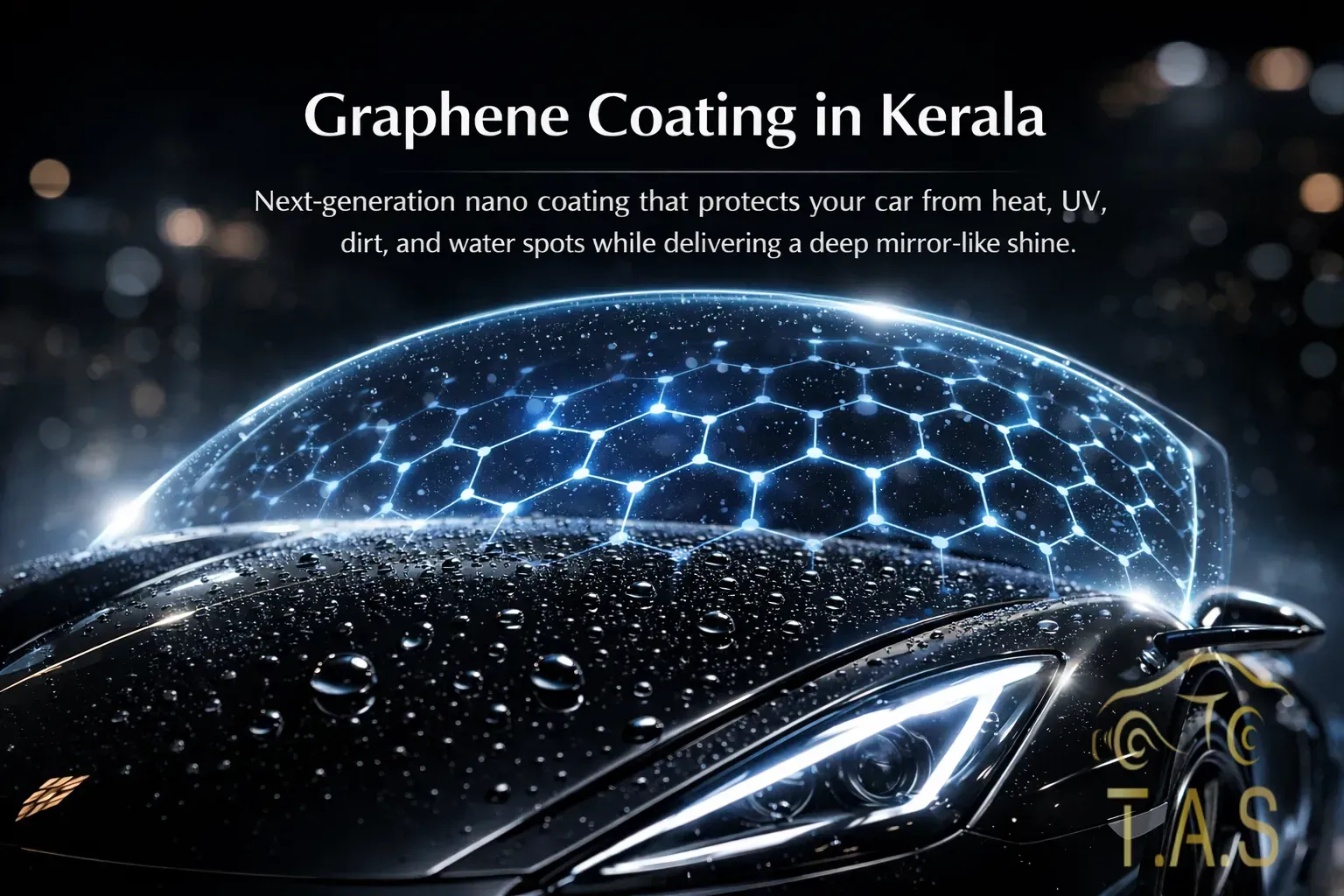
Graphene is a single layer of carbon atoms arranged in a hexagonal lattice—essentially a one-atom-thick sheet of carbon. Despite being incredibly thin, it's:
- 200x stronger than steel
- Excellent heat conductor
- Highly flexible
- Chemically resistant
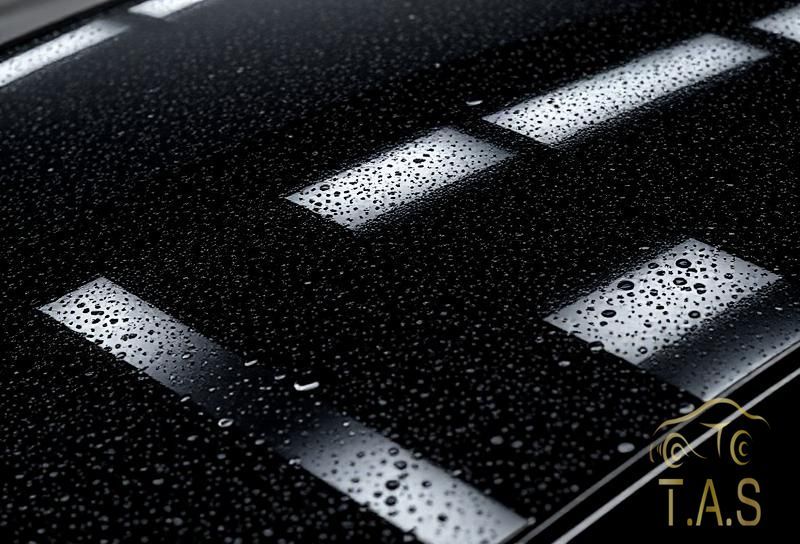
- Hydrophobic (water-repelling)
These properties make graphene revolutionary for automotive protection.
How Graphene Coatings Work
Graphene coatings infuse graphene particles into a ceramic or polymer matrix:
- Graphene flakes align during application
- Chemical bonding to paint surface
- Curing creates a permanent protective layer
- Result: A coating combining ceramic hardness with graphene benefits
Graphene vs Traditional Ceramic Coatings
Heat Dissipation
The Problem with Ceramic: Traditional ceramic coatings can create "hot spots" as the coating absorbs heat unevenly. This can lead to water spotting.
Graphene Advantage: Graphene's superior heat conductivity spreads heat evenly across the surface, reducing hot spots and water spot formation.
Water Behavior
Ceramic: - Strong hydrophobic properties - Water beads up and rolls off
Graphene: - Superior water sheeting - Reduced water spotting - Self-cleaning effect enhanced
Durability
| Property | Ceramic | Graphene |
|---|---|---|
| Hardness | 9H | 9H+ |
| Longevity | 2-5 years | 5-10+ years |
| Chemical Resistance | Excellent | Superior |
| UV Protection | Excellent | Excellent |
Anti-Static Properties
Ceramic: Regular coatings can build static charge, attracting dust.
Graphene: Natural anti-static properties mean less dust accumulation between washes.
Benefits of Graphene Coatings
1. Reduced Water Spotting
The even heat distribution minimizes the mineral concentration that causes water spots.
2. Enhanced Gloss
Graphene's flat molecular structure creates an incredibly smooth surface with exceptional light reflection.
3. Superior Flexibility
Unlike brittle ceramic-only coatings, graphene-infused coatings flex with temperature changes without micro-cracking.
4. Longer Intervals Between Washes
Anti-static properties and enhanced self-cleaning mean your car stays cleaner longer.
5. Better Scratch Resistance
Graphene's strength adds an extra layer of scratch resistance beyond ceramic alone.
The Science Behind the Claims
Independent Testing Shows:
- Water Contact Angle: Graphene coatings achieve 110-120° (higher = more hydrophobic)
- Heat Dissipation: 40-50% faster than ceramic alone
- Hardness: Maintains 9H even after 2 years
- Chemical Resistance: Withstands pH 2-12
Application Process
Graphene coating application requires precision:
Preparation (Critical):
- Thorough decontamination wash
- Clay bar treatment
- Paint correction (if needed)
- IPA wipe-down
- Panel-by-panel inspection
Application:
- Small amounts applied with applicator
- Cross-hatch pattern
- Immediate leveling
- Cure time observation
- Second layer (for premium products)
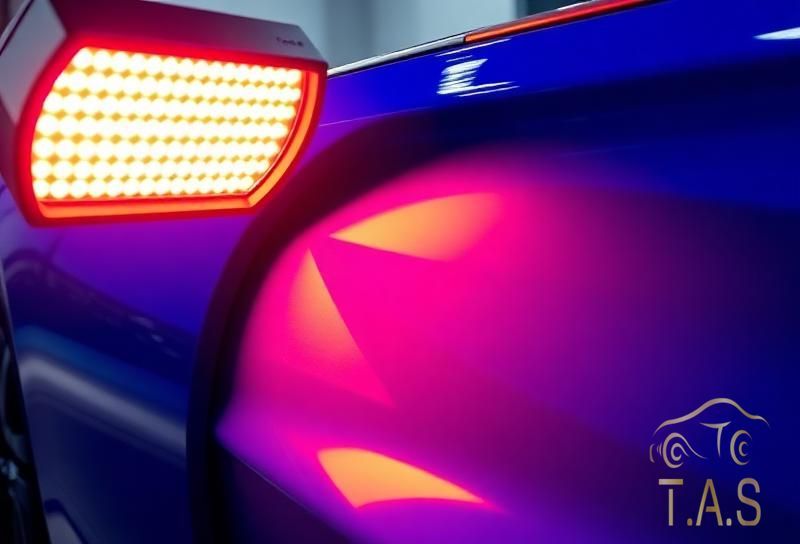
Curing: - Initial: 2-4 hours - Soft cure: 24-48 hours - Full cure: 7-14 days
Important: Keep the vehicle dry during initial cure period.
Our Graphene Coating Options
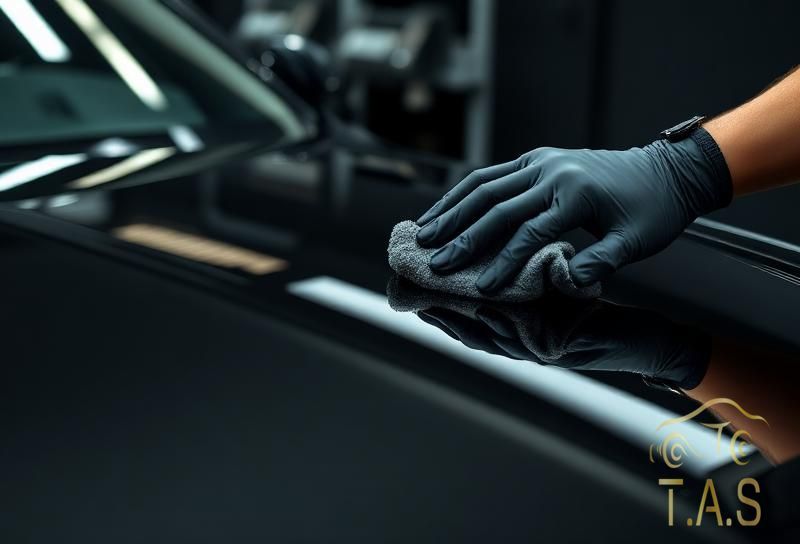
Elite GSO2 (Self-Healing) - **Protection:** Up to 9 years - **Hardness:** 10H - **Self-Healing:** Yes (repairable bonds) - **Best For:** Ultimate protection seekers
Graphene Ultra - **Protection:** 5-7 years - **Hardness:** 10H - **Features:** Multi-layer, IR-cured, anti-static, heat-resistant - **Best For:** Long-term owners wanting the best value
Who Should Choose Graphene?
Ideal Candidates: - Owners keeping vehicles 5+ years - Those frustrated by water spots - Car enthusiasts seeking the latest technology - Anyone prioritizing long-term value - Vehicles exposed to intense sun
May Not Need Graphene: - Budget-conscious buyers (ceramic is more affordable) - Leased vehicles (shorter ownership) - Vehicles being sold soon
Cost Comparison
| Coating Type | Price Range | Years | Cost/Year |
|---|---|---|---|
| Budget Ceramic | ₹15,000-25,000 | 2-3 | ₹6,000-12,500 |
| Premium Ceramic | ₹30,000-50,000 | 3-5 | ₹6,000-16,000 |
| Graphene Pro | ₹45,000-70,000 | 5-7 | ₹6,500-14,000 |
| Graphene Premium | ₹70,000-1,00,000 | 7-10 | ₹7,000-14,000 |
Maintenance Tips
After Graphene Coating:
First 14 Days: - No washing - No parking under trees - Avoid rain if possible - No parking in direct sun for extended periods
Ongoing Care: - Use pH-neutral car shampoo - No automated car washes - Avoid harsh chemicals - Annual coating inspection recommended
Frequently Asked Questions
Q: Is graphene coating worth the extra cost? A: For long-term owners, yes. The extended durability and reduced maintenance often offset the initial premium.
Q: Can graphene be applied over existing ceramic? A: Typically, no. Old coatings should be removed for best adhesion.
Q: Does graphene work with PPF? A: Yes! Graphene coatings can be applied over PPF for enhanced protection.
Q: How do I know if my car has graphene coating? A: Authorized installers provide documentation. The coating appearance is similar to ceramic.
Conclusion
Graphene coatings represent the evolution of paint protection technology. While more expensive initially, their superior heat management, durability, and anti-static properties make them an excellent investment for serious car enthusiasts.
Ready to experience graphene protection? Explore our Graphene Coatings or use our Package Finder for personalized recommendations.