Why Leather Car Seats Crack and Fade: Causes, Prevention, and What Actually Helps
Why This Happens So Often
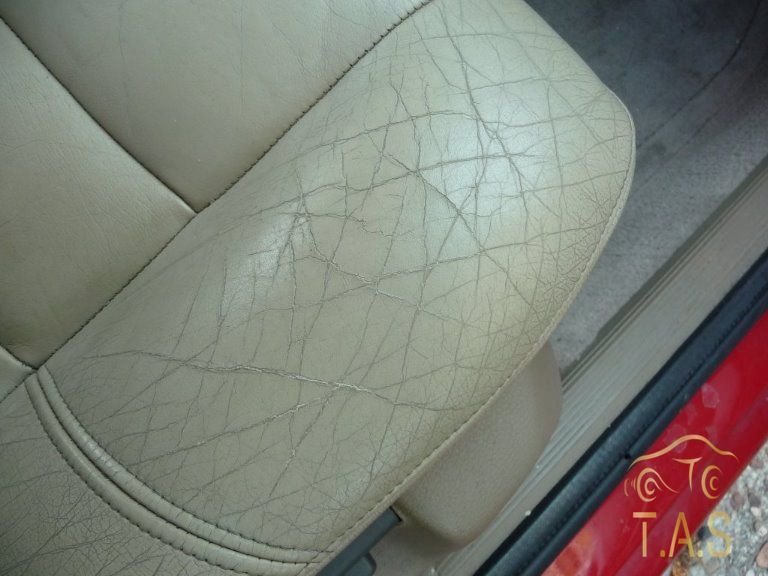
Leather seat damage usually starts in the coated surface layer, not all at once in the leather underneath. In most cars, the first failure points are the driver seat bolster, seat base edges, armrests, and steering wheel because those areas take the most friction and the most body contact every day.
Once the topcoat starts to dry, weaken, or wear through, the surface loses flexibility. That is when you begin to see dullness, fading, fine lines, colour loss, and eventually visible cracking.
The Main Reasons Leather Seats Crack and Fade
1. UV Exposure and Cabin Heat
Sunlight and trapped heat are major reasons leather ages early. UV exposure gradually breaks down the surface coating, while high cabin temperatures speed up drying and colour fading. Cars parked outdoors or used regularly in strong sun show this damage much earlier than shaded or covered vehicles.
2. Friction on High-Wear Areas
Every time you slide in and out of the driver seat, the outer bolster takes mechanical wear. Over time, repeated rubbing weakens the protective layer and creates shiny, flattened, or rough patches before actual cracking appears.
3. Body Oils, Sweat, Dirt, and Dye Transfer
Leather does not just suffer from sunlight. Body oils, sweat, dust, sunscreen residue, and denim dye transfer sit on the surface and slowly contaminate the coating. If they are left there, they behave like a fine abrasive layer and accelerate wear.
4. Wrong Cleaning Products
Harsh all-purpose cleaners, alcohol-heavy products, strong solvents, and greasy dressings can all do the wrong thing. Some strip the finish. Others leave residues that attract more dirt. Both make the surface age faster.
5. Lack of Routine Maintenance
Modern automotive leather still needs regular care. If it is never cleaned properly and never protected, the factory coating wears down much faster, especially in the heat and humidity of daily driving.
Early Signs You Should Not Ignore
- Surface looks dull or dry instead of even and smooth
- Driver bolster shows fine lines or light creasing
- Light-coloured seats pick up blue or dark clothing transfer
- Surface feels rough, sticky, or unusually stiff
- Colour starts looking uneven on the seat base or outer edges
These are the stages where prevention and protective treatment matter most.
What You Can Do at Home
Reduce Heat and UV Load
- Park in shade when possible
- Use a windshield sunshade
- Avoid leaving the car sealed in direct sun for long periods
Clean Sooner, Not Later
- Wipe seats regularly with a soft microfiber cloth
- Use a safe automotive leather cleaner, not household cleaners
- Remove spills, sunscreen, sweat, and denim transfer early
Avoid the Wrong Products
- Do not use harsh APCs, strong solvents, or alcohol-heavy cleaners
- Do not use greasy shine dressings that sit on the surface
- Do not scrub aggressively with stiff brushes
What Professional Care Helps With
Professional leather care is less about making seats shiny and more about reducing the causes of wear before they become permanent damage.
Deep Cleaning
Proper leather cleaning removes embedded dirt, body oils, and contamination from the coated surface without damaging it.
Conditioning
Conditioning helps maintain a softer, less stressed surface on ageing leather. It is especially useful where the surface has started looking dry or tired but has not yet failed structurally.
Ceramic Leather Protection
Leather coating adds a sacrificial protective layer that helps resist UV exposure, dye transfer, liquid spills, and everyday grime. It does not make the seat glossy, but it does make routine cleaning easier and slows down future wear.
Sun Control Film
Interior protection does not start only at the seat. Good sun control film reduces UV exposure and lowers cabin heat, which helps protect leather, dashboards, plastics, and trims from fading and drying over time.
Can Cracked or Faded Leather Be Fixed?
Light to moderate wear can often be improved. If the issue is still at the stage of dryness, light fading, minor surface wear, or contamination, cleaning, conditioning, colour correction, and protection may help significantly.
If the leather has split deeply, peeled heavily, or lost structural strength, the job moves from care into repair or restoration. In those cases, filler work, recolouring, or panel replacement may be needed instead of protection alone.
What Actually Helps Prevent the Problem Long Term
The best approach is not one product. It is a combination:
- Reduce UV and cabin heat
- Clean contamination before it sits too long
- Protect the leather surface before the coating wears out
- Catch high-wear areas early, especially the driver seat bolster
That is why the most practical combination for many owners is interior leather protection plus sun control film.
Related Service
Leather Care and Leather Coating
Professional leather cleaning, conditioning, and ceramic leather protection that helps resist UV, spills, dye transfer, and day-to-day wear.
Related Service
Car Window Tinting (Sun Film)
Sun control film reduces UV exposure and cabin heat, helping protect leather seats, dashboards, and other interior surfaces from fading and premature aging.