5 Common Sun Film Myths Debunked: The Truth About Window Tinting
Sun Film Myths: What You Really Need to Know
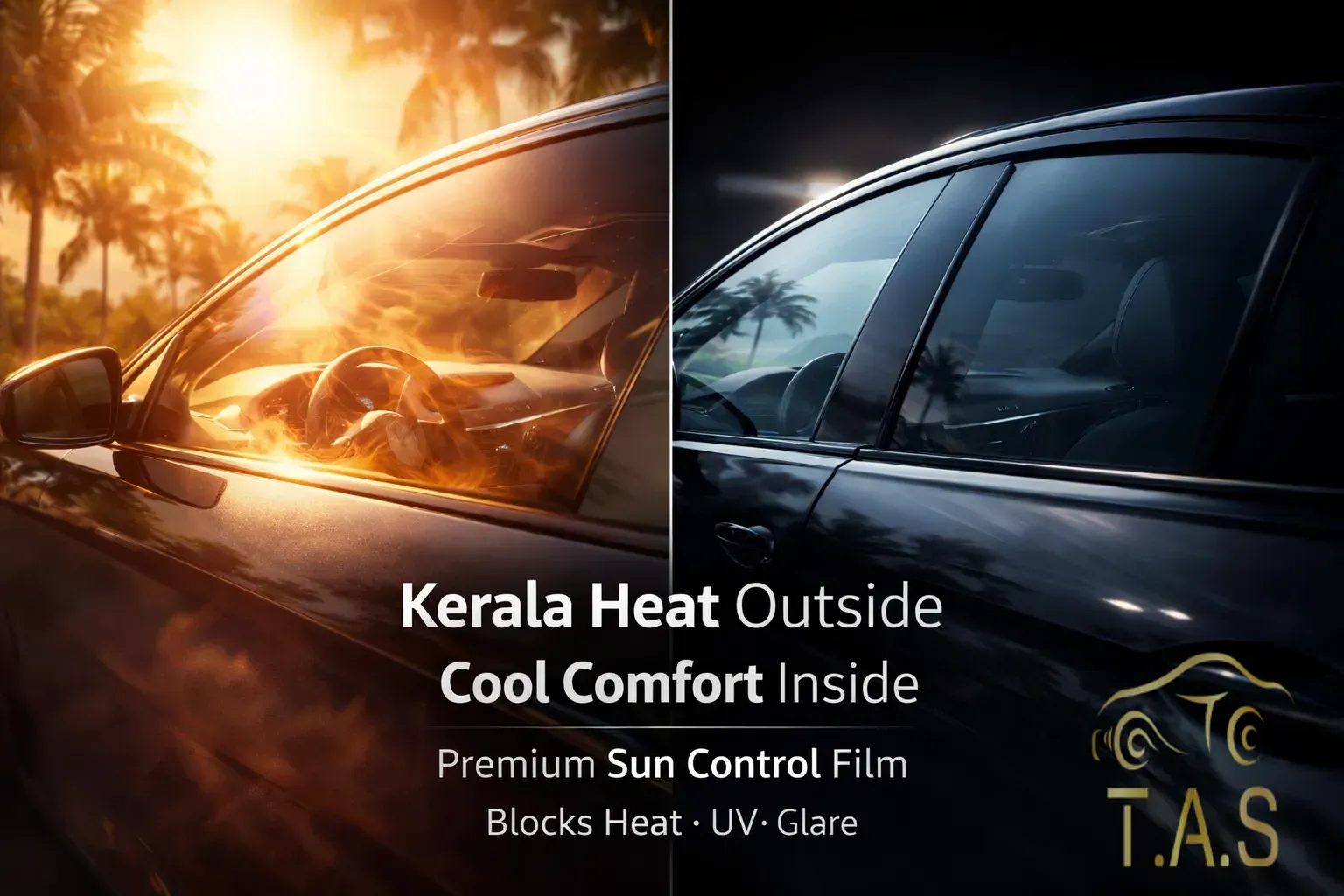
Window tinting has become essential for Kerala's tropical climate, but misinformation continues to spread. At TAS Detailing Studio in Thiruvananthapuram, we hear these myths regularly from customers who've been misled by uninformed sources. Let's set the record straight on the most common sun film misconceptions.
Myth #1: All Sun Films Are Illegal in India
The Truth: Sun film legality depends on the final visible light transmission (VLT) and how local enforcement interprets the applicable rules.
Many people believe that after the 2012 Supreme Court ruling, all window films became illegal. This is a complete misunderstanding of the law.
What the Law Actually Says:
| Window Location | Minimum VLT Required |
|---|---|
| Front Windscreen | 70% VLT |
| Front Side Windows | 50% VLT |
| Rear Side Windows | 50% VLT |
| Rear Windscreen | 70% VLT |
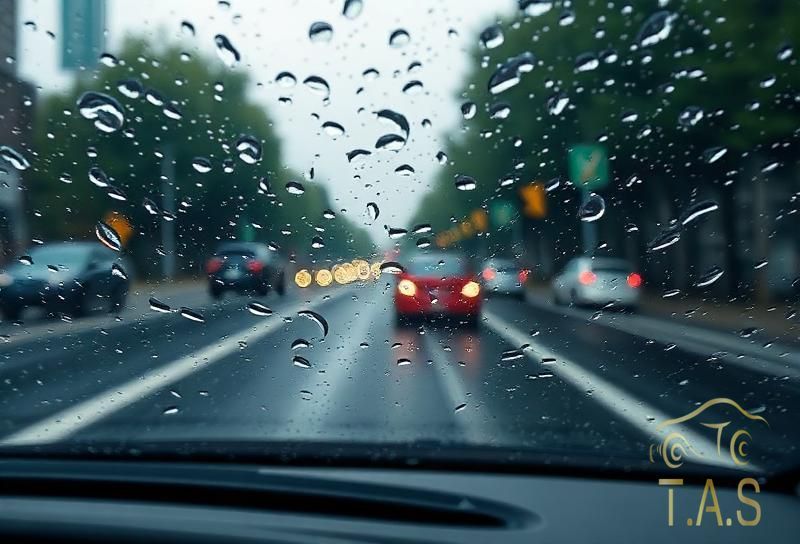
The Real Issue: The Supreme Court ruling is commonly understood as targeting films that reduce visibility below the required threshold. High-quality, light, non-metallic films can still provide meaningful heat and UV control, but the exact installation should always be chosen with legal-first VLT guidance.
Pro Tip: At TAS Detailing, we guide customers using commonly referenced VLT thresholds and advise verifying current local interpretation before installation.
Myth #2: Darker Films Block More Heat
The Truth: Color darkness (VLT) and heat rejection are completely different properties. A lighter film can actually block MORE heat than a darker one.
This is perhaps the most widespread misconception about sun films. People assume that a 15% VLT (very dark) film blocks more heat than a 70% VLT (nearly clear) film. This is fundamentally incorrect.
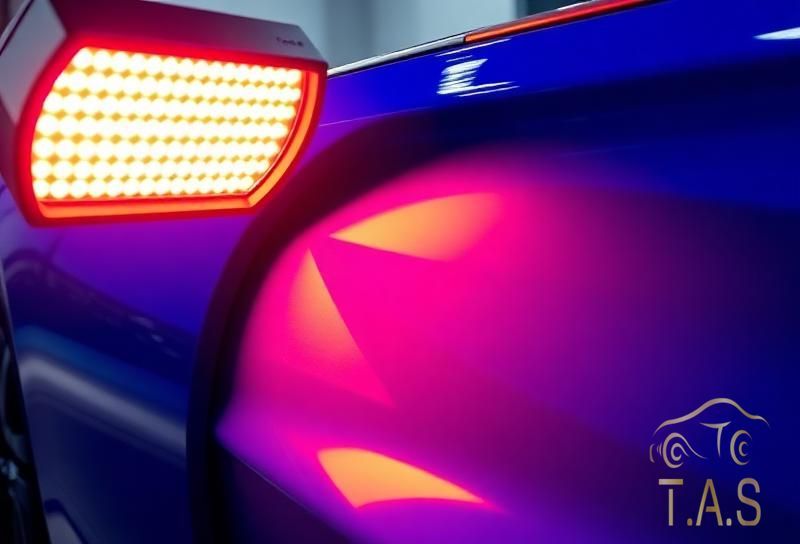
Understanding the Science:
Heat from the sun comes primarily from Infrared (IR) radiation, not visible light. A film's ability to block heat depends on its IR rejection capability, not its darkness.
| Film Type | VLT | IR Rejection | Heat Blocked |
|---|---|---|---|
| Cheap Dyed Film | 15% (Dark) | 20% | Low |
| Premium Ceramic | 70% (Light) | 80-95%* | High |
Real-World Example: A lighter premium ceramic film can reject more heat than a darker low-grade dyed film when its overall thermal performance is better. That is why film technology matters more than shade alone.
\*Exact IR figures vary by brand, test range, and selected shade.
Why Dark ≠ Cool: - Dyed films absorb heat and can re-radiate it into the cabin - Dark metalized films may reflect some heat but interfere with signals - Ceramic films selectively block IR while allowing visible light through
Myth #3: Sun Films Interfere with Mobile & GPS Signals
The Truth: Metalized films are the main signal-risk category. Ceramic and carbon films are usually far more signal-friendly.
This myth has a grain of truth but is overgeneralized. Let's break it down:
Films That DO Interfere: - Metalized films: Contain metal particles that reflect heat but also block radio frequencies - Affected: GPS, mobile signals, toll tags (FASTag), Bluetooth
Films That DON'T Interfere: - Ceramic films: Usually the safest choice when signal compatibility matters - Carbon films: Generally signal-friendly - Dyed films: Usually no metallic content, but performance varies widely by quality
The Modern Solution: Premium ceramic films are often the safest choice when you want stronger heat rejection without the signal concerns associated with metalized constructions.
Important for New Cars: Modern vehicles with advanced driver assistance systems (ADAS), lane departure sensors, and rain-sensing wipers require signal-friendly films. Metalized films can interfere with these safety features.
Myth #4: Sun Films Last Forever Once Installed
The Truth: Sun film longevity varies dramatically based on film quality, installation, and maintenance—ranging from 2 years to lifetime.
Some customers expect their budget film to last as long as premium options. Others are told their film is "permanent." Neither expectation is realistic.
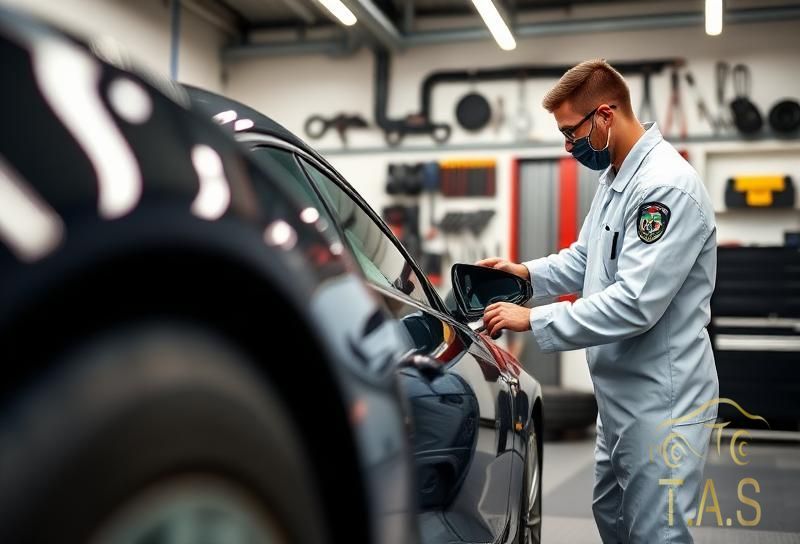
Realistic Lifespan by Film Type:
| Film Type | Expected Lifespan | Common Issues |
|---|---|---|
| Dyed Economy | 2-3 years | Fading, purple discoloration, bubbling |
| Carbon / Stable Dyed | 4-6 years | Performance varies by product quality |
| Ceramic Mid-Tier | 5-7 years | Usually stable if quality installed |
| Premium Ceramic | 7-10 years | Better long-term clarity and durability |
| Flagship Ceramic | Up to 10 years | Premium construction and warranty support |
What Causes Premature Failure: 1. Poor installation: Dust, improper adhesion, inadequate curing 2. Cheap adhesives: Fail in Kerala's humidity and heat 3. Low-quality dyes: Fade and turn purple under UV exposure 4. Rolling windows too soon: Disrupts curing (wait 3-5 days minimum)
Signs Your Film is Failing: - Bubbling or blistering - Purple or brown discoloration - Peeling edges - Hazy appearance - Reduced heat rejection
Maximizing Film Life: - Choose quality: Premium ceramic films cost more upfront but last 3-5x longer - Professional installation: Ensures proper adhesion and curing - Proper care: Use ammonia-free cleaners only - Avoid automatic car washes with harsh chemicals
Myth #5: All Sun Film Brands Are Basically the Same
The Truth: There are massive differences in technology, materials, and performance between brands and product tiers.
This "they're all the same" mentality leads to poor purchasing decisions. The difference between a ₹4,000 and ₹35,000 installation isn't just markup—it's fundamentally different technology.
What Separates Premium from Budget:
Dyed Films (Budget): - Colored polyester that absorbs light - Heat absorbed often re-radiates into cabin - Dyes fade and discolor over time - Limited UV protection - 2-year typical lifespan
Metalized Films (Mid-Range): - Metal particles reflect heat effectively - Excellent durability - Signal interference issues - Not suitable for modern vehicles - Shiny appearance some dislike
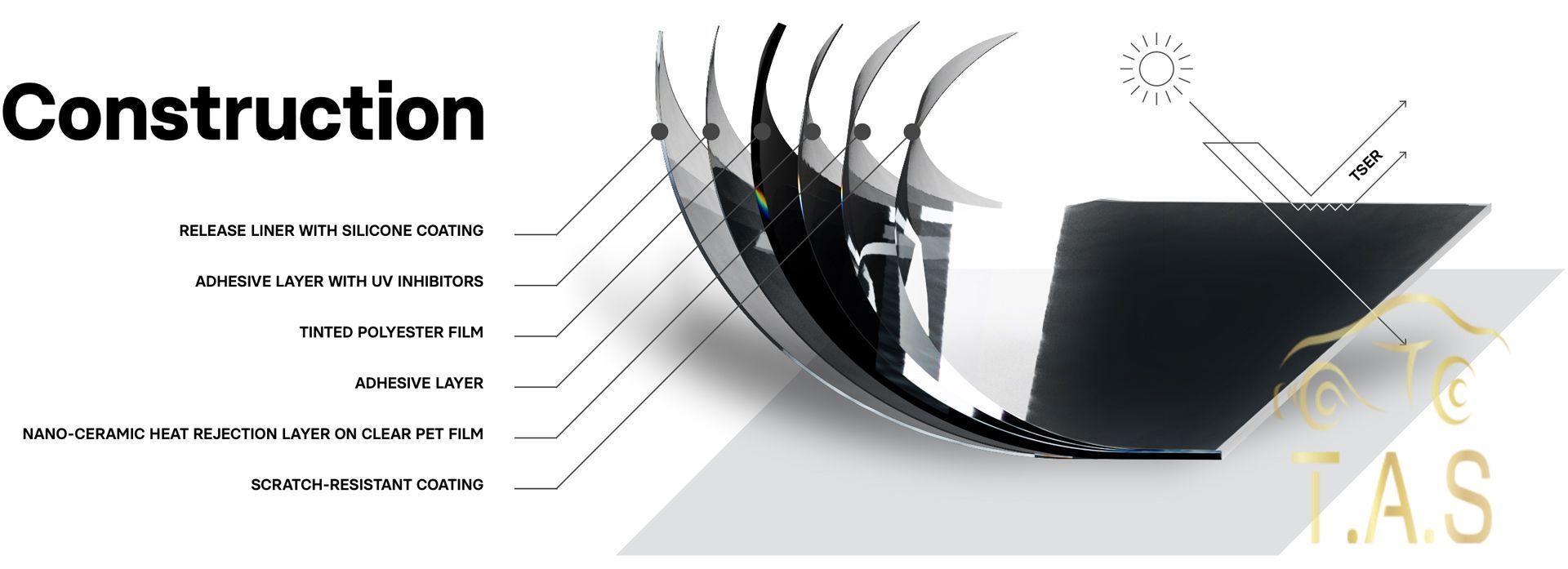
Ceramic Films (Premium): - Nano-ceramic particles block IR selectively - Strongest heat rejection in the lineup - Usually the best option for signal-sensitive vehicles - Better clarity than most low-grade dyed films - Longer expected lifespan - Better resistance to fading than budget film
Carbon Films (Value): - Carbon particles for heat absorption - Signal-friendly - Good balance of performance and price - Matte finish aesthetics - 5-7 year lifespan
The Price Reality: A premium ceramic film costs more upfront, but it can still be the better value when you consider comfort, clarity, longer service life, and less need for repeat replacement.
Bonus Myth: Ceramic Coating and Ceramic Film Are the Same Thing
The Truth: These are completely different products for different purposes.
We often encounter confusion between ceramic coating (paint protection) and ceramic sun film (window tinting). They share a name because both use ceramic nanotechnology, but that's where similarities end.
| Aspect | Ceramic Coating | Ceramic Sun Film |
|---|---|---|
| Applied To | Paint, exterior surfaces | Windows only |
| Purpose | Paint protection, hydrophobicity | Heat rejection, UV protection |
| Composition | Liquid SiO2 ceramic | Polyester film with ceramic particles |
| Thickness | Microns | Millimeters |
| Function | Shields from scratches, chemicals | Blocks solar radiation |
The Ideal Combination: Many TAS customers opt for both—ceramic coating on the paint and ceramic film on the windows—for complete vehicle protection from Kerala's harsh sun.
Making the Right Choice
Now that you know the facts, here's how to choose wisely:
For Maximum Heat Rejection (Premium): Flagship Ceramic Film - best for cabin comfort, clarity, and long-term value
For Premium Value: Premium Ceramic Film - strong all-round choice for most daily-driven cars
For Smart Value: Advanced Heat Rejection Film - stronger heat control without moving to the flagship tier
For Budget-Conscious: Value Film - entry-level glare and heat reduction
Conclusion
Don't let myths guide your sun film decision. The right film—professionally installed—transforms your driving experience in Kerala's climate. You'll enjoy a cooler cabin, protected interior, and reduced A/C load.
Compare all options: Sun Film Comparison Tool
Get expert advice: Contact TAS Detailing for personalized recommendations based on your vehicle, usage, and budget.