"⭐️⭐️⭐️⭐️⭐️ Exceptional Glass Polishing by Travancore Auto Spa! I just got my car’s windshield polished at Travancore Auto Spa and the results are nothing short of amazing! The glass had fine scratches and haze marks that were really bothering me — but after the expert polishing, it looks absolutely flawless. It’s so clear and smooth now, you’d think it was brand new! The technicians Mr.Ajith & Arun were meticulous and took the time to ensure every tiny imperfection was removed without compromising the glass. They clearly know what they’re doing — their dedication and passion for quality work really shows. They also applied a hydrophobic coating which is now in its curing period — but just the polishing alone has transformed my driving experience. Looking at that spotless, gleaming glass every time I drive is so satisfying! I highly recommend Travancore Auto Spa to anyone who wants their car glass restored to perfection. Top-notch service, friendly staff, and results that truly speak for themselves!"
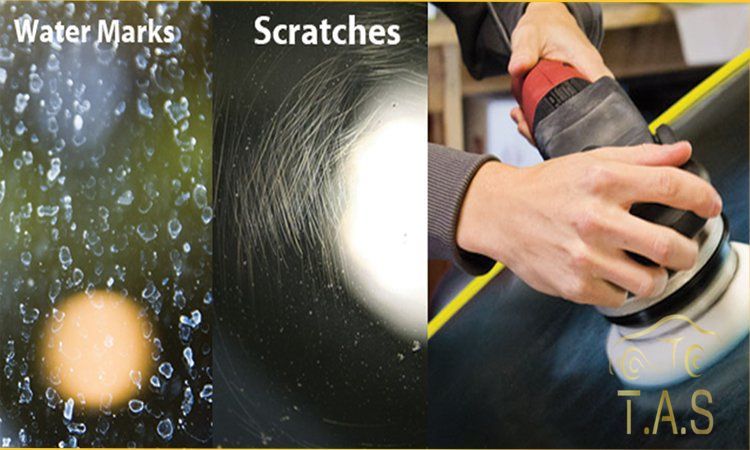
Windshield Restoration
Windshield restoration for cars with night glare, water spots, wiper arc marks, and poor glass clarity.
Tailored Packages for Every Need
Glass Restoration
- Water spot removal
- Exterior light scratch polish
- Full cleaning
Note: Package details, features, pricing, and availability are subject to change. Please contact us directly to confirm the latest inclusions, pricing, and slot availability before booking.
Booking note: Prior booking is required for this service. Please contact us in advance to confirm availability and reserve a slot.
Trusted By Car Owners in Trivandrum
"I have done windshield polishing and hydrophobic coating from TAS on my car. I’m very much satisfied with their quality of work and customer service. There were lot of scratches on my windshield earlier and the light get scattered over the windshield which leads to poor visibility. Now, even during night drive I don’t have any problem with the visibility and all the minor scratches got removed. Also hydrophobic coating is amazing. Thanks TAS for the best service."
"I took my car to TAS for windshield polishing, and they did an incredible job. My windshield was covered in scratches and swirl marks, making it difficult to drive at night. They restored it to showroom condition. I highly recommend their services."
Popular Add-Ons

Complete Service Overview
The Two Problems That Affect Most Windscreens
The majority of windshield visibility complaints come down to two issues: wiper arc marks and water spot haze. Both are caused by the same fundamental problem — a damaged outer glass surface — and both are fixable with professional glass polishing.
Wiper marks are fine scratches etched in an arc pattern by wiper blades dragging grit, dust, and dried road film across the glass with every pass. Water spots are mineral deposits left behind when water dries on the glass surface. In Kerala’s tropical climate, both problems develop faster than in cooler regions — the combination of mineral-rich water, fast evaporation in heat, and the constant dust that loads wiper blades accelerates glass surface degradation significantly.
Why Damaged Glass Ruins Night Driving
A windshield in poor condition does not just look bad in daylight — it creates a genuine hazard at night. Surface scratches, mineral haze, and micro-pitting all scatter incoming headlight beams into glare and halo effects. The worse the surface condition, the more pronounced the effect. Many drivers with visibility problems at night find the root cause is not their eyes or the road lighting — it is their windshield surface.
Glass restoration removes the damaged outer layer, restoring optical clarity and dramatically reducing light scatter. The improvement at night is often the most striking result customers notice.
What Glass Restoration Can and Cannot Fix
Restoration works for all surface-level damage: wiper arc marks, mineral water spots, UV-induced haze, light oxidation, and micro-scratches that you cannot feel with a fingernail. These account for the majority of windshield visibility issues.
Restoration cannot fix cracks, deep chips, internal delamination, deep scratches you can feel by touch, or structural glass damage. Scratch polishing is performed only on the outer surface of the windshield, not the inside. If the glass already has crack damage or impact damage that goes beyond the surface, replacement is the only safe option. We inspect every windshield at the start of the service and will tell you honestly which applies to your glass.
Stains Can Be Removed Safely, Abrasive Methods Cannot
Not every windshield problem is a scratch. Paint overspray, watermarks, and other bonded stains can often be removed safely with proper glass decontamination and machine polishing. These issues should not be attacked with scrubbers, blades used incorrectly, or abrasive materials such as sandpaper.
Improper DIY methods often create the very scratches customers later want removed. Glass correction needs controlled, glass-safe techniques. If the wrong method is used first, the damage may become permanent.
Our Polishing Process
Glass restoration at TAS involves multi-stage polishing with specialized glass compounds:
- Surface inspection and damage assessment
- Chemical surface preparation and decontamination
- Multi-stage glass polishing — coarser compound to remove deposits and scratches, finer polish to restore clarity
- Final clean and optical inspection
The process takes 2-3 hours and the difference in clarity is immediately visible.
Prevention Matters More Than Correction
Unlike paint, a windshield is not something you can easily repaint once it has been damaged. If polishing cannot safely remove the defect, replacement becomes the only option. Replacement is more expensive, can affect resale value, and if not fitted correctly may lead to issues such as water leakage.
That is why prevention matters. Avoid running wipers on a dry windshield. Do not use harsh scrubbers or abrasive cleaning tools. Clean off dust and debris before operating the wipers, and replace hardened or worn blades early. Windshield care is not just about looks — it is a visibility and safety issue.
Pairing Restoration with Hydrophobic Coating
Restoration and hydrophobic coating work best together. Restoration clears the existing damage. Hydrophobic coating then protects the freshly polished glass from new water spots — the coating causes water to bead and roll off before it can evaporate and leave mineral deposits. The glass also stays cleaner between washes, reducing the grit load on wiper blades and slowing the return of wiper marks. We offer both services together at a discounted rate.
Who Should Get This Service
- Drivers struggling with glare from oncoming headlights
- Cars with visible wiper arc marks or hard water haze
- Owners considering replacement when the damage may still be surface-level
- Customers planning hydrophobic windscreen coating and wanting the glass corrected first
Windshield Restoration Gallery
Common Questions
What are those arc-shaped marks on my windscreen?
Those are wiper marks — fine scratches etched into the glass in a wiper-arc pattern by blades dragging grit and dried debris across the surface repeatedly. They are most visible in sunlight or when facing oncoming headlights at night, where they scatter light into glare. They can be polished out as long as the scratches are surface-level and you cannot feel them with a fingernail.
Why do water spots form on glass and why are they hard to remove?
Water spots form when water dries on glass, leaving dissolved minerals — primarily calcium and magnesium — bonded to the surface. These deposits are alkaline and bond chemically to glass, so regular glass cleaner cannot remove them. Kerala's rainwater and tap water carry high mineral content, and fast evaporation in tropical heat makes deposits form quickly. Removal requires specialized acidic glass polish to dissolve and abrade the bonded mineral layer.
Will restoration fix the halos and glare I see from headlights at night?
In most cases, yes. Night halos and glare are usually caused by surface micro-scratches, mineral haze, or UV-induced pitting on the outer glass surface scattering incoming light. Polishing removes this damaged layer and restores optical clarity. If the issue is from an oil film on the inside of the glass, dirty interior glass, or deep structural damage, restoration alone may not fully resolve it — but the majority of night glare complaints are addressed by glass restoration.
Can deep scratches be polished out?
Only surface-level scratches can be removed by polishing. If you can feel a scratch with your fingernail, it has penetrated too deep to polish out safely. The same applies if the windshield already has cracks or deep chips. In those cases replacement is the right option. We inspect every windshield before quoting and give you an honest answer — we will not attempt work that cannot deliver a safe result.
Do you polish scratches on the inside of the windshield?
No. Windshield restoration is limited to the outer glass surface only. We correct exterior wiper marks, haze, mineral deposits, and eligible surface scratches. Interior defects, internal haze, or damage within the laminated glass cannot be corrected through exterior polishing.
When does restoration work vs when is replacement needed?
Restoration works for surface issues: wiper marks, mineral water spots, UV haze, and light scratches. It cannot fix cracks, deep chips, internal delamination, or structural damage. If you have a crack or impact damage that has gone beyond the surface, replacement is usually needed for safety. For everything else, restoration is the right first step — it costs significantly less and resolves the vast majority of visibility complaints.
Can paint overspray, watermarks, and stains be removed safely?
Yes, in many cases they can. Paint overspray, watermarks, and other bonded surface contaminants can usually be removed safely with proper glass decontamination and polishing techniques. The key is using the correct process — not abrasive shortcuts that scratch the glass.
What should never be used on a windshield?
Avoid sandpaper, scrubbers, and any harsh abrasive materials. These are common causes of permanent glass scratching. Windshields should also never be wiped aggressively when dry or when dust and debris are sitting on the surface or trapped in the wiper blades.
How much does windshield replacement cost vs restoration in India?
Standard windshield replacement costs ₹6,000–₹15,000 for a hatchback or sedan. On newer vehicles with rain sensors, heads-up display, or ADAS cameras — common from 2020 onwards — replacement costs ₹25,000–₹80,000 because sensors require recalibration after the glass change. Glass restoration starts at ₹3,000 and resolves most visibility issues without those complications.
How long do restoration results last?
Polishing permanently removes the surface defects present at the time of service. New water spots, wiper marks, or scratches will form again from the same causes over time. Applying hydrophobic coating after restoration extends the benefit significantly — a hydrophobic surface repels water before it evaporates and leaves mineral deposits, and keeps the glass cleaner, reducing wiper-induced abrasion.
How do I prevent new windshield scratches after restoration?
- Do not run the wipers on a dry windshield.
- Clean dust, mud, and trapped particles off the glass and wiper blades before using them.
- Replace hardened or worn wiper blades early.
- Avoid harsh cleaning tools, scrubbers, and abrasive DIY methods.
Prevention matters because windshield glass is far harder to correct than painted body panels.
Should I get hydrophobic coating done after restoration?
Yes — this is the ideal combination. Restoration removes existing damage. Hydrophobic coating then protects the freshly polished glass, prevents water spots from forming, and keeps the surface cleaner for longer. The two services together give the best visibility outcome and extend the time before restoration is needed again. We offer both as a discounted combination at TAS.
Service Videos
Windshield Restoration Process at TAS
Windshield Restoration at TAS
Related Services
Trivandrum Local Guide
Looking for Windshield Restoration in Trivandrum?
Our dedicated local page has pricing, FAQs, and location details for Trivandrum customers.
Ready to Protect Your Car?
Get a personalized quote and expert advice for windshield restoration.