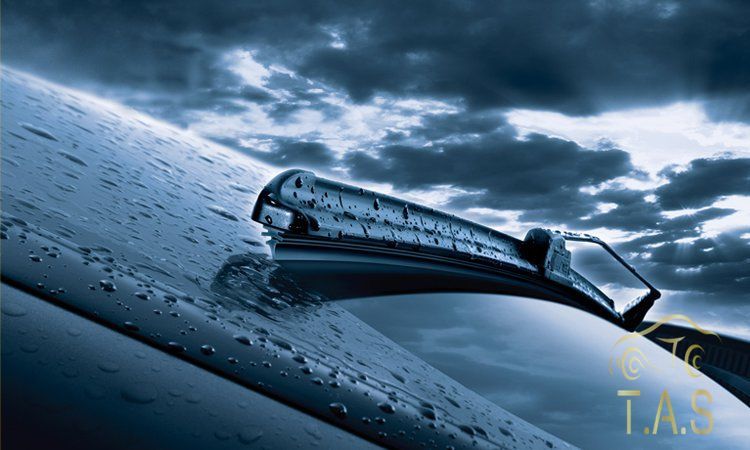
Windscreen Hydrophobic Coating
Kerala's monsoon rains shouldn't compromise your safety. Our nano hydrophobic coating bonds to your windscreen glass, making water bead and roll off instantly — so you see clearly even in heavy downpour. At speeds above 60 km/h, water clears off without wipers at all. Night driving becomes dramatically safer as the coating eliminates the blinding glare and halo effect caused by oncoming headlights scattering through water droplets on untreated glass.
Tailored Packages for Every Need
Windscreen Only
- Windscreen hydrophobic coating
- Deep glass cleaning & decontamination
- Surface prep & polish
- Rain-repellent nano bond
All Glass
- All windows & windscreen coated
- Side mirrors coated
- Deep glass clean
- Rain-repellent nano bond
Note: Package details, features, pricing, and availability are subject to change. Please contact us directly to confirm the latest inclusions, pricing, and slot availability before booking.
Booking note: Prior booking is required for this service. Please contact us in advance to confirm availability and reserve a slot.
Complete Service Overview
The Night Rain Problem Most Drivers Live With
If you have driven in heavy rain at night in Kerala, you know the feeling — oncoming headlights turn into blinding starbursts and halos that make it nearly impossible to judge lane position or see pedestrians. Most drivers assume this is just how rainy night driving is. It is not.
The cause is water droplets sitting on your untreated windscreen. Each droplet acts like a tiny prism, scattering light in every direction. A hydrophobic coating eliminates this by causing water to bead and roll off the glass almost instantly — no droplets, no scattering, no halo. Drivers consistently describe the difference as transformative, especially on the National Highway and expressways where oncoming vehicle speeds and headlight intensity are highest.
How Windscreen Hydrophobic Coating Works
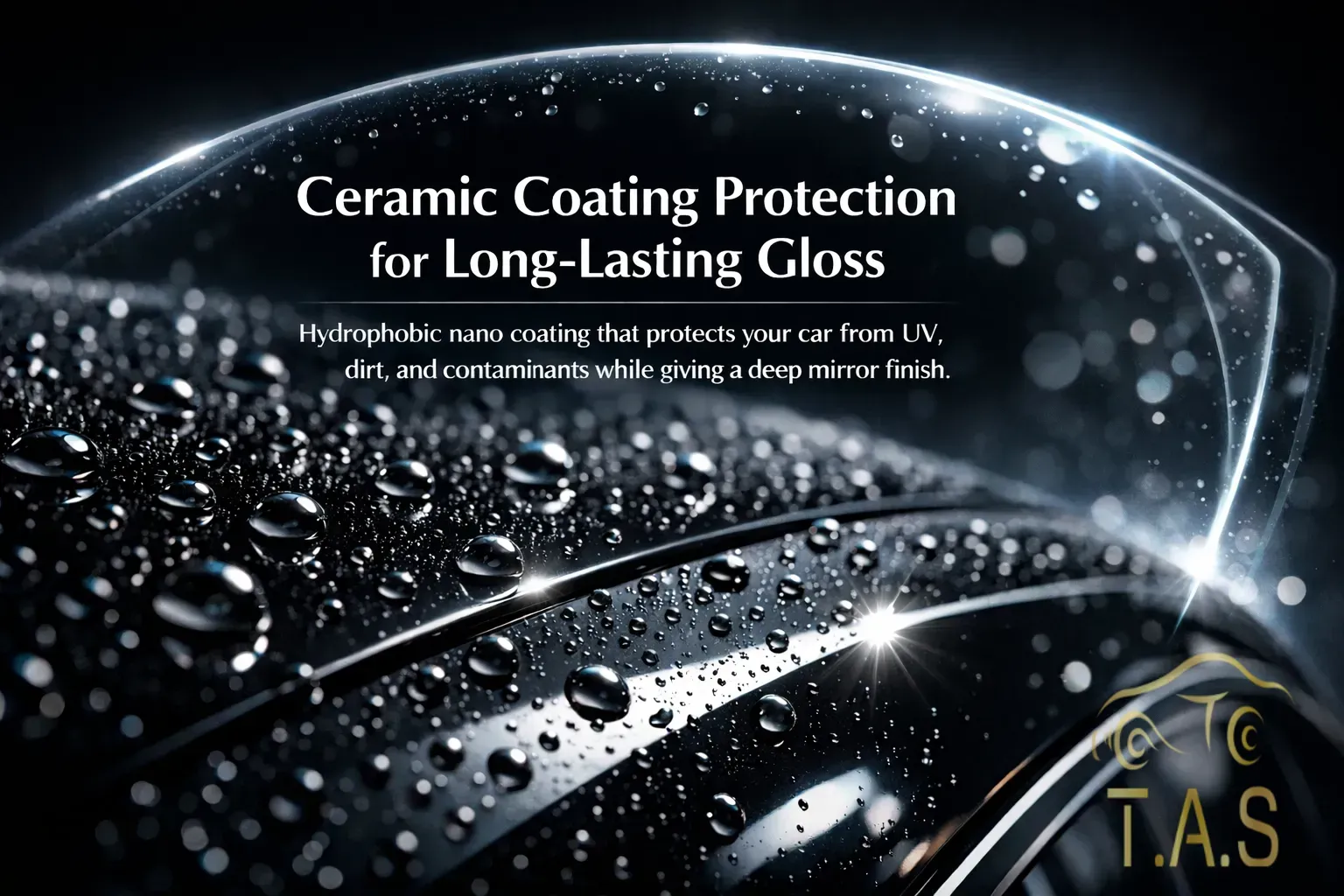
A nano hydrophobic coating bonds at a molecular level to the glass surface, creating a water-repellent layer with a contact angle above 100°. At this angle, water cannot spread into a flat film — it forms tight spherical beads that roll off with the slightest movement or airflow.
At highway speeds above 60 km/h, aerodynamic forces alone are enough to clear the screen continuously. In moderate rain, many drivers find they can reduce wiper use to intermittent or switch them off entirely on open roads. In heavy Kerala monsoon downpours, wipers are still needed but work far more effectively — clearing an almost-dry surface rather than fighting a sheet of standing water.
Why Your Wiper Blades Wear Out So Fast
Wiper blades have two main enemies: abrasive friction against gritty glass, and the resistance of pushing heavy standing water. Both are dramatically reduced after hydrophobic coating.
Water beads off instead of pooling, so blades move through far less resistance. The glass itself stays cleaner because hydrophobic surfaces repel road grime, exhaust deposits, and dust — meaning the blade is not scraping abrasive particles across the glass with every pass. The result is noticeably longer blade life and the elimination of the chattering, skipping, and streaking that develops as blades wear against contaminated glass.
The Greasy Smear Problem on Night Roads
Many drivers notice a greasy smear or haze on their windscreen that is nearly invisible in daylight but creates intense glare when facing headlights at night. This is an oil film — a thin layer of exhaust fumes, road spray, and windscreen washer fluid residue that builds up over time.
The deep glass decontamination process done before coating application removes this film completely. The hydrophobic coating then makes the glass highly repellent to oily contaminants going forward, so the film takes much longer to build back up. This alone is enough reason for many of our customers to get the service done.
Ideal for Kerala’s Monsoon Season
Kerala’s June–November monsoon delivers some of the heaviest sustained rainfall in India. The combination of poor road drainage, waterlogged roads, and heavy traffic makes windscreen visibility a genuine safety issue — not a minor convenience matter.
The harder the rain, the more effectively hydrophobic coating performs. Heavy downpours provide constant water flow that keeps the beading action working continuously. Many customers book this service specifically in May–June before the monsoon arrives to be fully prepared for the season ahead.
Common Questions
Will this help me see better when driving at night in the rain?
Yes — this is one of the biggest benefits most drivers notice immediately. When your windscreen is untreated, water droplets sit on the surface and scatter oncoming headlights into a blinding starburst or halo effect. The hydrophobic coating causes water to sheet off almost instantly, so there are no droplets sitting on the glass to scatter light. Night rain driving becomes significantly safer and less stressful.
Can I drive without wipers in the rain after coating?
At highway speeds — typically above 60 km/h — yes. The airflow and the hydrophobic surface work together to push water off the glass before it even accumulates. In city traffic at low speeds you will still need wipers, but you will find yourself using them much less frequently and on a lower setting. Many customers report switching from continuous to intermittent wiper use even in moderate rain.
How does this extend wiper blade life?
Wiper blades wear out quickly for two reasons: friction against dry or gritty glass, and the blade having to push heavy standing water. A hydrophobic coating dramatically reduces both. Water beads off instead of pooling, so the blade is moving through far less water. The glass surface is also kept cleaner (dust, grime, and road film don't stick as easily), reducing abrasive friction on the blade rubber. Most customers notice their wiper blades lasting significantly longer after coating.
I get a greasy smear on my windscreen especially at night — will this fix it?
That greasy smear is a thin oil film from exhaust fumes, road grime, and windscreen washer fluid residue. It is invisible in daylight but creates intense halo and glare effects at night when headlights hit it. The deep glass decontamination we do before applying the coating removes this film completely. The hydrophobic coating then makes the glass highly repellent to oily contaminants, so it stays cleaner for much longer.
Does this help in Kerala's heavy monsoon rains?
It is specifically very useful in heavy tropical monsoon conditions. Kerala's intense downpours are exactly the conditions where hydrophobic coating makes the biggest difference — the harder the rain, the more effectively the water beads and rolls off. Many of our customers get this done specifically before the June–July monsoon season to be prepared for the rainy months ahead.
Will it reduce the annoying wiper chatter and skipping sound?
Wiper chatter happens when the blade skips over dry patches or surface irregularities on the glass. A clean, hydrophobic-coated glass has a more consistent, smooth surface that wiper blades glide over far more evenly. This significantly reduces chatter and the uneven smearing pattern that many drivers deal with. If your wipers are already badly worn, replacing the blades alongside this service gives the best result.
What about insects and bugs hitting the windscreen?
Bug and insect splatter is much easier to remove from a hydrophobic-coated windscreen. The coating prevents the proteins in insect residue from bonding tightly to the glass surface. A quick rinse or a single wiper pass removes most fresh splatter, compared to the stubborn dried-on residue that untreated glass develops. This is especially useful for highway driving and evening/night drives when insects are most active.
Will it prevent water spots and mineral deposits after rain?
Yes. Water spots form when rainwater (which carries dissolved minerals) sits on the glass and evaporates, leaving mineral deposits behind. Because the coating causes water to bead and roll off quickly rather than sitting and evaporating, mineral deposit formation is greatly reduced. Your glass stays clearer and easier to see through between cleaning sessions.
Does it work with rain sensors and all wiper systems?
Yes, fully compatible with all wiper and rain sensor systems. The coating is completely transparent and does not affect the glass surface in any way that would interfere with sensor calibration. Rain sensors may actually trigger less frequently after coating, as less water accumulates on the sensor area — which is a sign it is working correctly.
How long does the coating last and how do I maintain it?
The coating typically lasts 12 months with normal use. Longevity depends on wiper usage frequency, glass cleaning habits, and exposure to harsh chemicals. Avoid ammonia-based glass cleaners as they degrade hydrophobic coatings. Use plain water, a microfibre cloth, or a dedicated glass cleaner. When you notice water no longer beading as strongly, it is time for a reapplication — we offer a refresher treatment at a reduced cost.
Service Videos
Windshield Coating at TAS
Windscreen Hydrophobic Coating at TAS
Related Services
Ready to Protect Your Car?
Get a personalized quote and expert advice for windscreen hydrophobic coating.